Why Athens Lacks Adequate Sidewalks
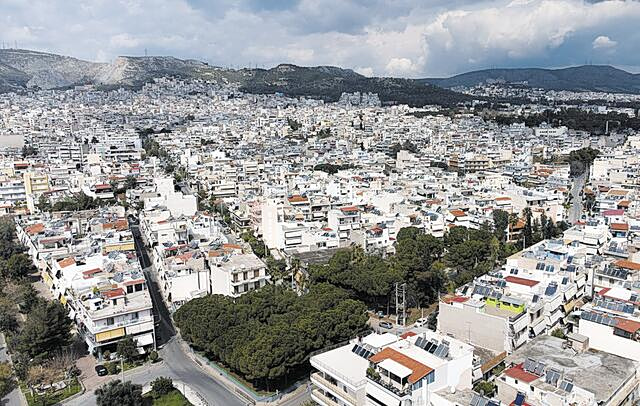
The absence of sufficient sidewalks in Athens is a recurring issue, highlighted by an anecdote involving modernist architect Aldo Rossi during a visit in the mid-1990s. While being guided through the city by Greek architects, Rossi paused before the church of Saint Dionysius on Skoufa Street, opposite the Experimental School, and expressed his bewilderment. He questioned how such a magnificent and imposing staircase belonging to a monumental architectural work could exist without proper pedestrian access. This observation points to a long-standing urban planning challenge in the Greek capital. The lack of pedestrian-friendly infrastructure, such as sidewalks, impacts the walkability and overall quality of urban life in Athens. It raises questions about the prioritization of public spaces and the integration of pedestrian needs within the city's development. The issue persists, suggesting that urban development strategies may not consistently account for the fundamental requirements of pedestrian movement and accessibility.
The persistent lack of adequate sidewalks in Athens, as exemplified by Aldo Rossi's mid-1990s observation, suggests a systemic disconnect between monumental architectural ambitions and fundamental urban functionality. This points to potential historical urban planning priorities that may have favored vehicular traffic or grand structures over the daily needs of pedestrians. Examining Athens' urban development trajectory over the past decades can reveal whether evolving city management strategies have adequately addressed this deficit. Future urban planning in major metropolises globally will increasingly need to balance aesthetic and structural development with the imperative of creating accessible, walkable, and human-centric public spaces, especially in the context of growing urbanization and environmental concerns.
AI-generated to prompt reflection — not editorial opinion, not advice, not a statement of fact. How this works.