Why Brazilians Keep Hoping for Soccer Victory: A Psychoanalytic View
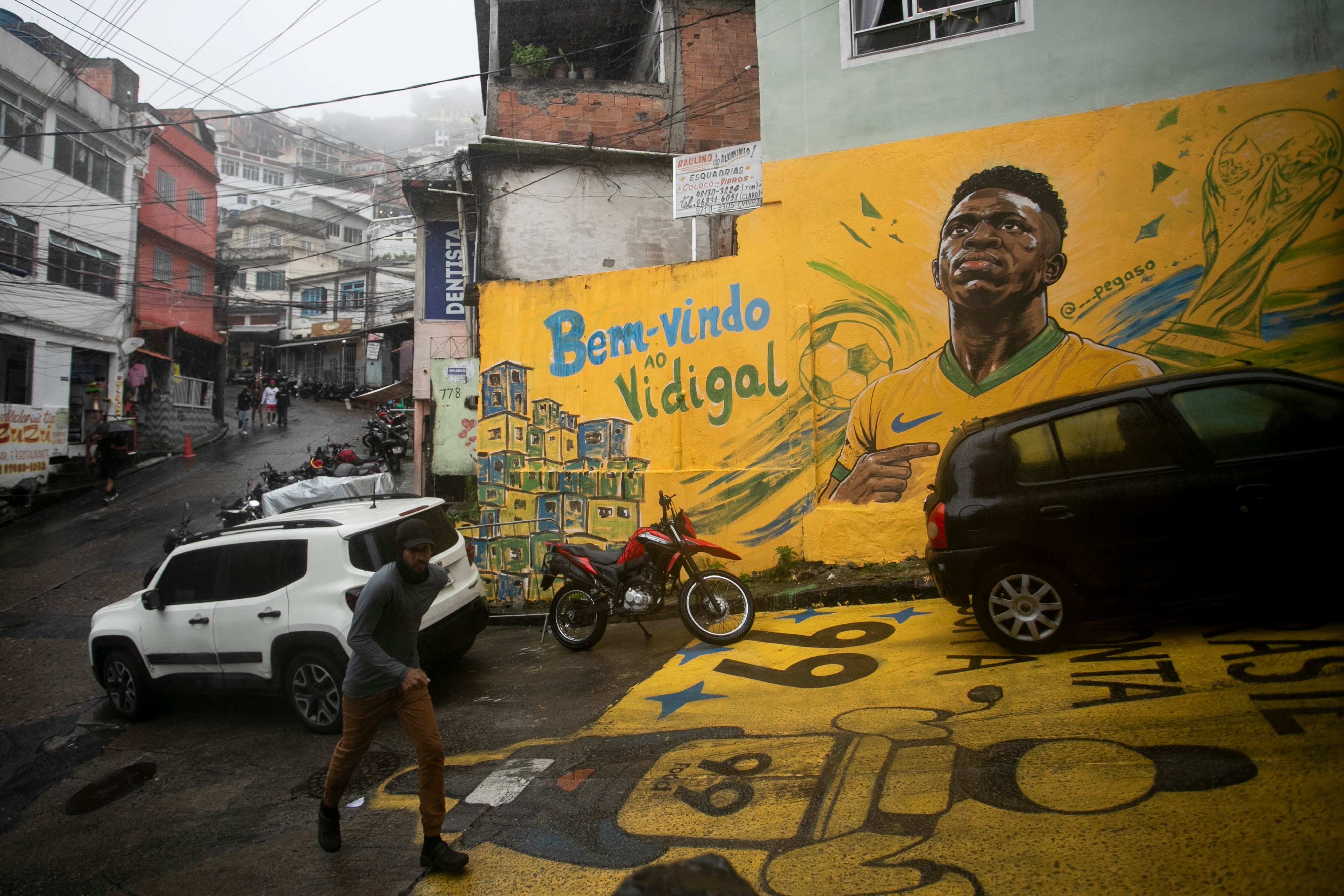
Despite repeated disappointments, Brazilians continue to passionately support their national soccer team, a phenomenon explained by psychoanalyst Christian Dunker. He posits that this intense relationship stems from soccer's role as a national narrative, with each World Cup serving as a chapter in Brazil's collective biography. The very word 'torcer' (to cheer/root for) originates from twisting, mirroring the fan's physical and emotional contortions with the team's fate. This act embodies desire and dreaming of the improbable, a concept Dunker terms 'oniropolitics' or the politics of dreams sustained by soccer.
Soccer's unique ability to allow weaker teams to triumph over stronger ones fuels the dreams of those facing personal improbabilities. Dunker notes that the team, as a symbol, endures beyond individual players, fostering a powerful collective identification that dissolves rivalries when the national team plays. This immense collective expectation, he explains, leads to proportional disappointment, prompting some to adopt a cognitive prevention strategy of feigning indifference. The aftermath of elimination is described as a narcissistic wound and a form of grief, but also a creative stage for transformation and future hope.
Dunker views passionate soccer fandom as a legitimate expression of the irrational, offering catharsis by suspending everyday rules. However, this catharsis crosses a line when it devolves into racism or hatred. He also draws a parallel between the belief in improbable soccer outcomes and the allure of sports betting, where the illusion of active participation can be more potent. Ultimately, Dunker concludes, citing Jacques Lacan, that human desire is fundamentally shaped by lack, and for Brazilian fans, this desire is inextricably linked to the experience of defeat, which paradoxically keeps hope alive.
The enduring passion of Brazilian soccer fans, even amidst consistent disappointment, highlights a profound interplay between national identity, collective dreams, and psychological coping mechanisms. From a systems perspective, the World Cup functions as a high-stakes, low-probability event that serves as a potent societal ritual, allowing for the collective expression of hope and catharsis. However, the analysis also points to a potential systemic vulnerability: the disproportionate emotional investment tied to outcomes that are inherently unpredictable. This creates a recurring cycle of intense expectation followed by significant disappointment, which can be psychologically taxing. The psychoanalytic framing suggests that this cycle, while painful, may paradoxically reinforce desire and collective identity by focusing on the 'lack' or the unfulfilled dream. Future societal structures might benefit from fostering diverse avenues for collective aspiration and achievement that are less susceptible to singular, high-stakes outcomes, thereby mitigating the intensity of such predictable cycles of collective grief and renewed hope.
AI-generated to prompt reflection — not editorial opinion, not advice, not a statement of fact. How this works.