Why Cancer Isn't Contagious Between Humans: Insights from Animal Transmission Studies
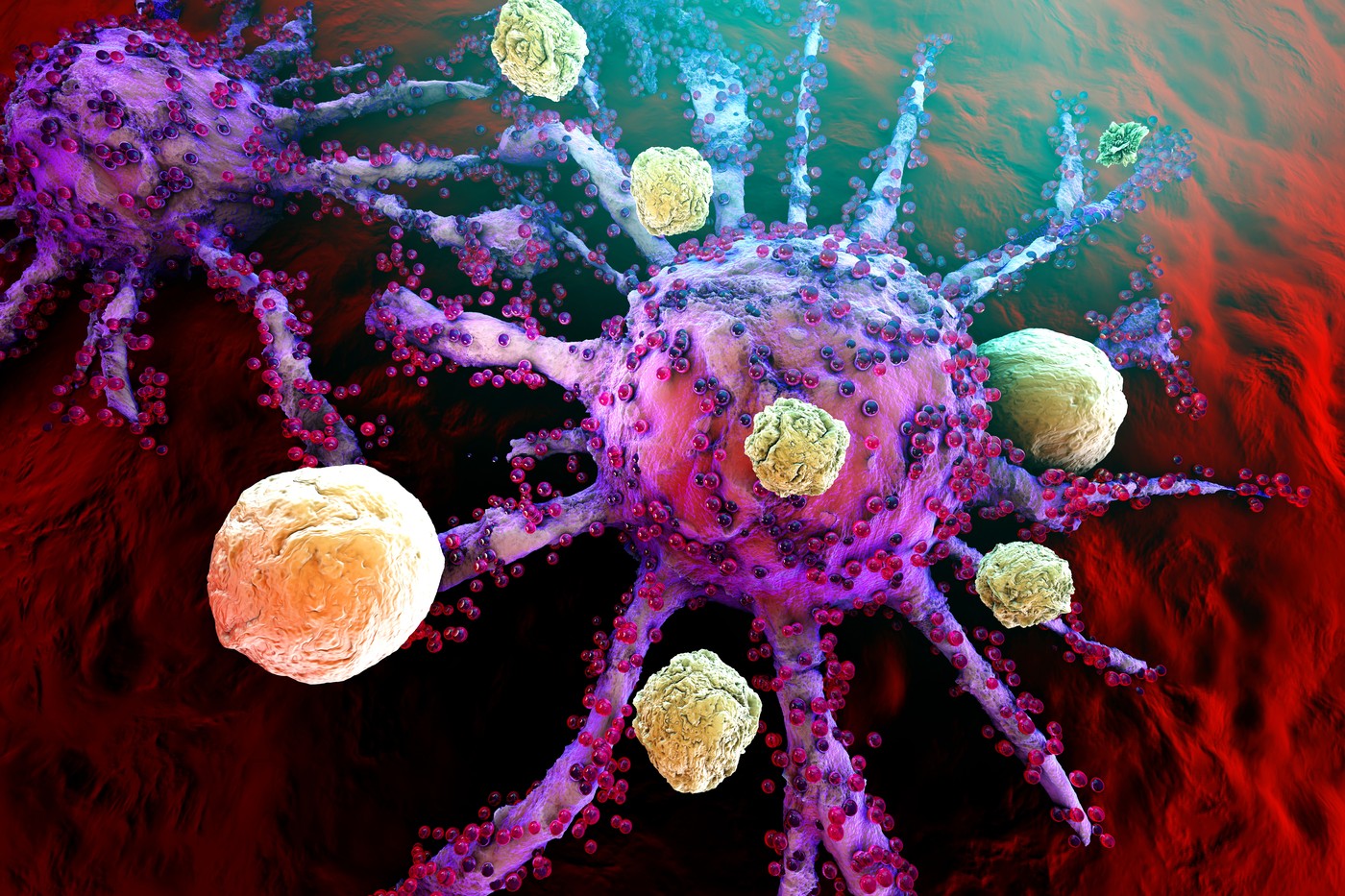
Cancer is a leading global cause of illness and death, stemming from abnormal cell growth within an individual. While typically not transmissible, extremely rare instances in nature show cancer cells can spread between individuals of the same species. This phenomenon prompts scientific inquiry into the body's natural defenses against disease transmission and the specific reasons why this does not occur in humans. Researchers are investigating these rare animal cases to understand the biological barriers that prevent cancer from spreading between people. The study of these exceptional circumstances in animals offers valuable insights into the human immune system's robust mechanisms for identifying and eliminating foreign or abnormal cells, thereby preventing the establishment of cancerous growths from external sources. Understanding these differences could potentially lead to new therapeutic strategies for cancer treatment and prevention in humans.
The rarity of cancer transmission between individuals, even within the same species, highlights the sophisticated immune surveillance mechanisms present in most organisms. For humans, the major histocompatibility complex (MHC) plays a critical role in distinguishing self from non-self cells, making it exceptionally difficult for foreign cancerous cells to evade immune detection and establish a foothold. While rare instances of transmissible cancers in animals, such as the Tasmanian devil facial tumour disease, offer unique research opportunities, their distinct biological contexts underscore the fundamental differences in immune systems and cellular compatibility. Future research may focus on leveraging these animal models to understand immune evasion strategies and potentially develop novel immunotherapies that enhance the body's natural ability to combat cancerous cells, regardless of their origin.
AI-generated to prompt reflection — not editorial opinion, not advice, not a statement of fact. How this works.