Why Ceuta and Melilla Belong to Spain Despite Being in Africa
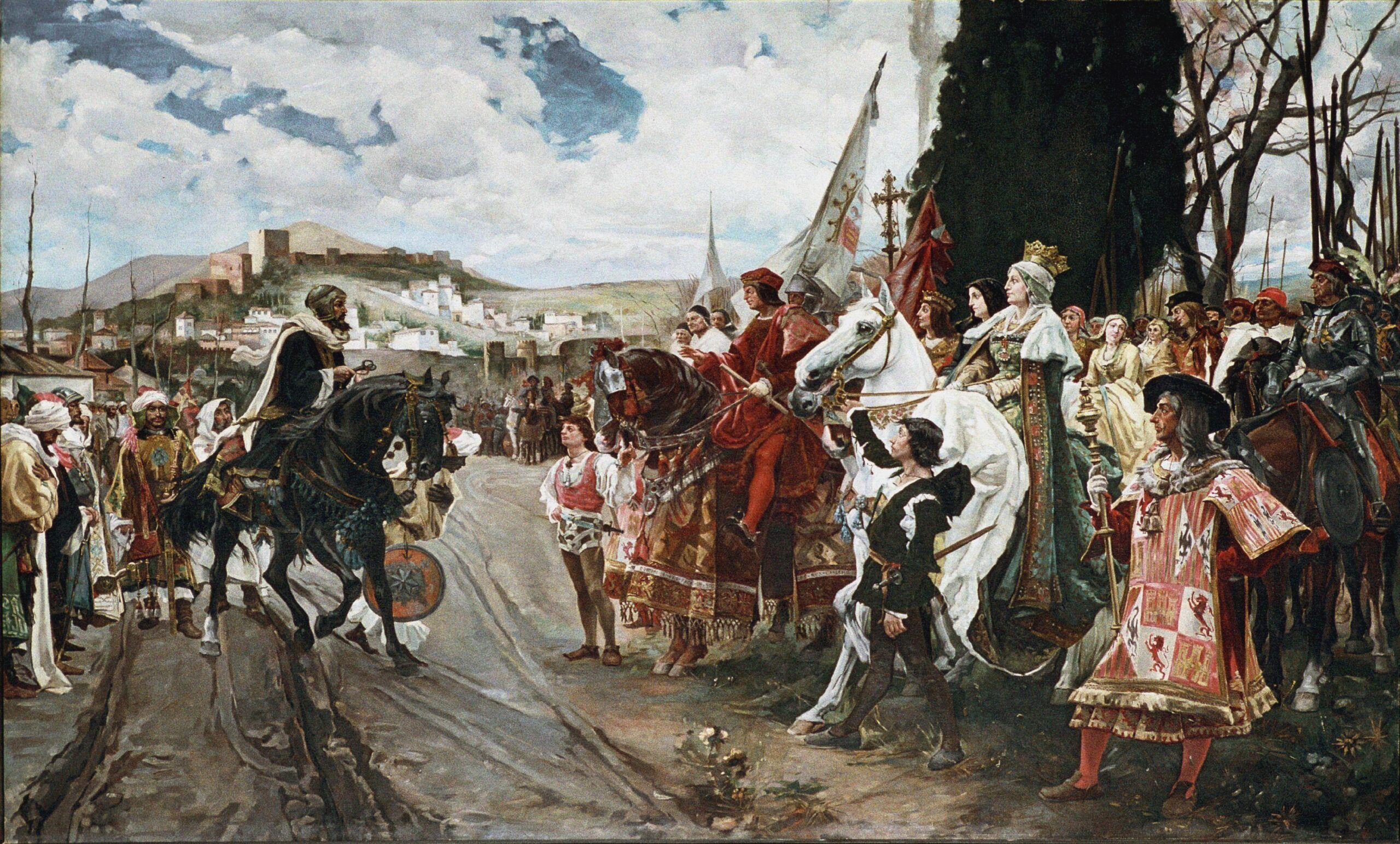
The status of Ceuta and Melilla, Spanish territories located on the northern coast of Africa, remains a recurring point of contention. The conflict flares up whenever African migrants attempt to cross from Morocco into these Spanish enclaves. Additionally, tensions resurface when Rabat, Morocco's capital, asserts its sovereignty claims over these territories. These incidents highlight the ongoing geopolitical and territorial dispute surrounding Ceuta and Melilla. The geographical anomaly of Spanish soil on the African continent fuels these persistent claims and migration challenges. The situation underscores the complex historical and political factors that define the relationship between Spain and Morocco regarding these cities. Both territories have been under Spanish administration for centuries, leading to their current status as autonomous cities within Spain.
Morocco's claims are based on historical arguments and its geographical proximity. Spain, conversely, bases its sovereignty on historical possession and the will of the inhabitants of Ceuta and Melilla, who have consistently voted to remain part of Spain in referendums. The ongoing migration attempts by Africans seeking to reach Europe underscore the strategic importance and desirability of these territories as gateways to the continent. The dispute over Ceuta and Melilla is a complex issue with deep historical roots and significant contemporary implications for regional stability and migration policy.
The dispute over Ceuta and Melilla highlights the enduring legacy of historical territorial claims and the complexities of modern border control in an era of heightened global migration. Morocco's assertion of sovereignty, rooted in historical arguments and geographical proximity, contrasts with Spain's claim based on centuries of administration and the expressed will of the enclaves' populations. This situation presents a systemic challenge where historical geopolitical boundaries intersect with contemporary humanitarian concerns and national security interests. The recurring attempts by African migrants to cross into these territories underscore the push and pull factors of migration and the search for economic opportunity or refuge in Europe. Future resolutions will likely require diplomatic engagement that balances historical narratives with the realities of contemporary governance, international law, and the human rights of individuals seeking passage.
AI-generated to prompt reflection — not editorial opinion, not advice, not a statement of fact. How this works.