Why Cholesterol Remains High Despite Good Diet and Exercise
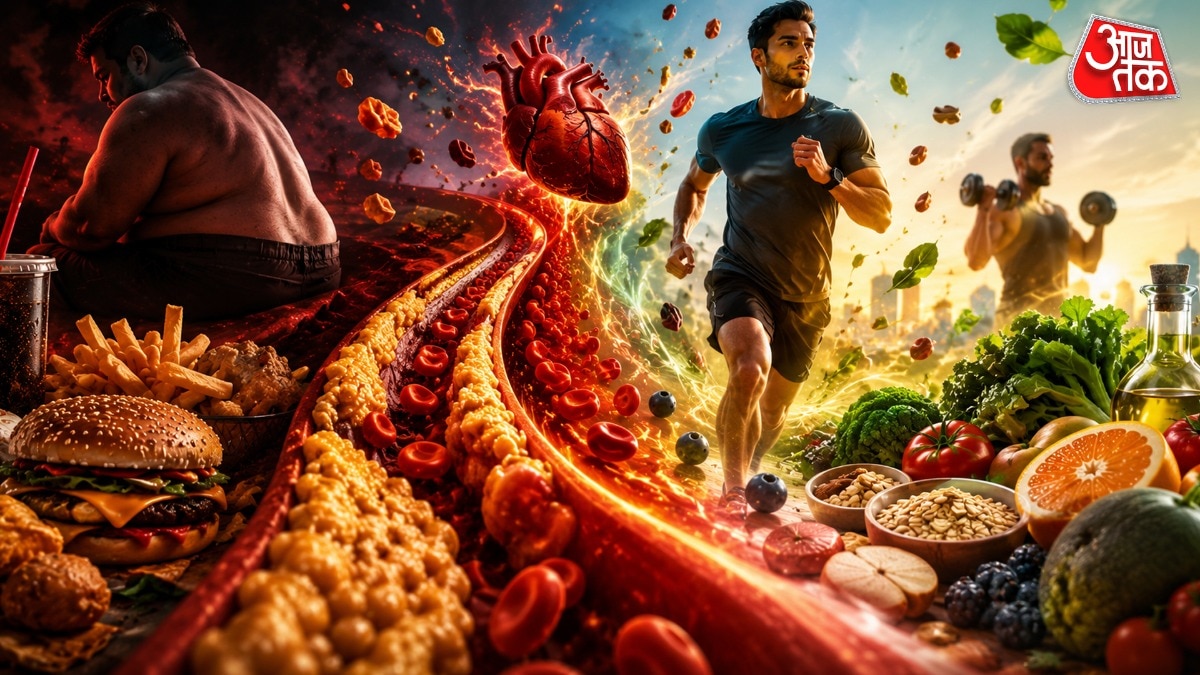
Some individuals struggle to lower their cholesterol levels even with a healthy diet and regular exercise. Medical professionals explain that dietary intake accounts for only about 25 percent of cholesterol in the body. The remaining 75 percent is produced internally by the liver. This internal production can be influenced by genetic factors, making it difficult for some people to manage their cholesterol solely through lifestyle changes. Therefore, despite their best efforts in diet and exercise, their cholesterol levels may not decrease significantly. Understanding this balance between external intake and internal production is crucial for managing high cholesterol effectively. Further investigation into the specific reasons for persistent high cholesterol in these cases might be necessary.
The persistence of high cholesterol in individuals adhering to healthy lifestyles highlights the significant role of endogenous cholesterol production, which constitutes approximately 75% of the body's total. This suggests that for a substantial portion of the population, lifestyle modifications alone may not be sufficient to achieve optimal cholesterol levels. Genetic predispositions likely play a critical role in regulating this internal production. Future public health strategies may need to consider more personalized approaches, potentially incorporating genetic screening to identify individuals who would benefit most from pharmacological interventions alongside lifestyle advice. This perspective shifts the focus from solely blaming dietary habits to acknowledging the complex interplay of genetics and physiology in metabolic health.
AI-generated to prompt reflection — not editorial opinion, not advice, not a statement of fact. How this works.