Why Climbing Mount Everest is So Dangerous
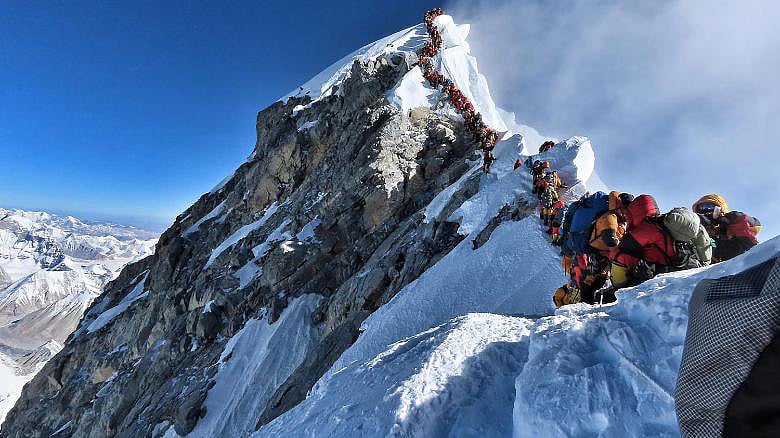
Mount Everest presents significant dangers to climbers, as evidenced by past tragedies. In 2014, a massive avalanche on the mountain resulted in the deaths of 16 Nepali Sherpas. Following this incident, Sherpas initiated protests demanding better working conditions, which led to the suspension of Everest expeditions. The following year, in April 2015, Nepal was struck by a powerful earthquake measuring 7.8 on the Richter scale, further highlighting the precarious environment of the region.
The inherent risks associated with high-altitude mountaineering, such as avalanches and seismic activity, pose substantial threats to climbers and support staff. Events like the 2014 avalanche and the 2015 earthquake underscore the vulnerability of expeditions in extreme environments. These incidents also reveal the critical importance of labor conditions and safety protocols for expedition workers, whose well-being is directly tied to operational continuity. Future considerations for Everest expeditions must balance the allure of the summit with robust risk management strategies and equitable treatment of personnel, acknowledging the complex interplay of natural hazards and human factors.
AI-generated to prompt reflection — not editorial opinion, not advice, not a statement of fact. How this works.