Why Convenience Stores Remain in Suo-Oshima: Kōsuke Motani on Tokyo's Overconcentration Risks
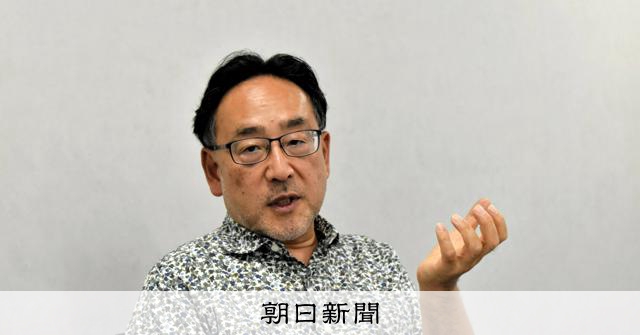
Economist Kōsuke Motani explains the principle behind the continued existence of convenience stores in Suo-Oshima, a rural town, by highlighting the risks associated with overconcentration in Tokyo. He suggests that while major urban centers like Tokyo attract significant populations and economic activity, this centralization can create vulnerabilities. Motani's analysis implies that smaller, more dispersed communities may possess inherent resilience that larger, hyper-centralized cities lack. The presence of essential services like convenience stores in Suo-Oshima serves as an example of how local needs can be met even outside of major metropolitan areas. This perspective challenges the conventional view that economic vitality is solely dependent on large-scale urban development. Motani's insights point to the potential for sustainable local economies and the importance of maintaining diverse community structures. The discussion underscores the trade-offs between the benefits of urban concentration and the potential drawbacks of neglecting rural or regional development. Ultimately, the survival of services in places like Suo-Oshima offers a counterpoint to the narrative of inevitable urban dominance.
The persistence of essential services in rural areas like Suo-Oshima, as discussed by Kōsuke Motani, presents a counter-narrative to the prevailing trend of urban concentration. This phenomenon highlights potential systemic inefficiencies and risks inherent in hyper-centralized economic models, particularly concerning supply chain resilience and equitable resource distribution. As societies increasingly grapple with the implications of demographic shifts and technological advancements, understanding the viability of decentralized community structures becomes crucial. The economic logic supporting rural service provision, even if seemingly less efficient by traditional metrics, may offer valuable lessons in adaptability and local self-sufficiency, potentially mitigating future shocks in an era of increasing global uncertainty. Examining these dynamics can inform policy decisions aimed at fostering more balanced regional development and ensuring societal robustness beyond major metropolitan hubs.
AI-generated to prompt reflection — not editorial opinion, not advice, not a statement of fact. How this works.