Why Daughters Don't Perform Funeral Rites: The Garuda Purana's Perspective
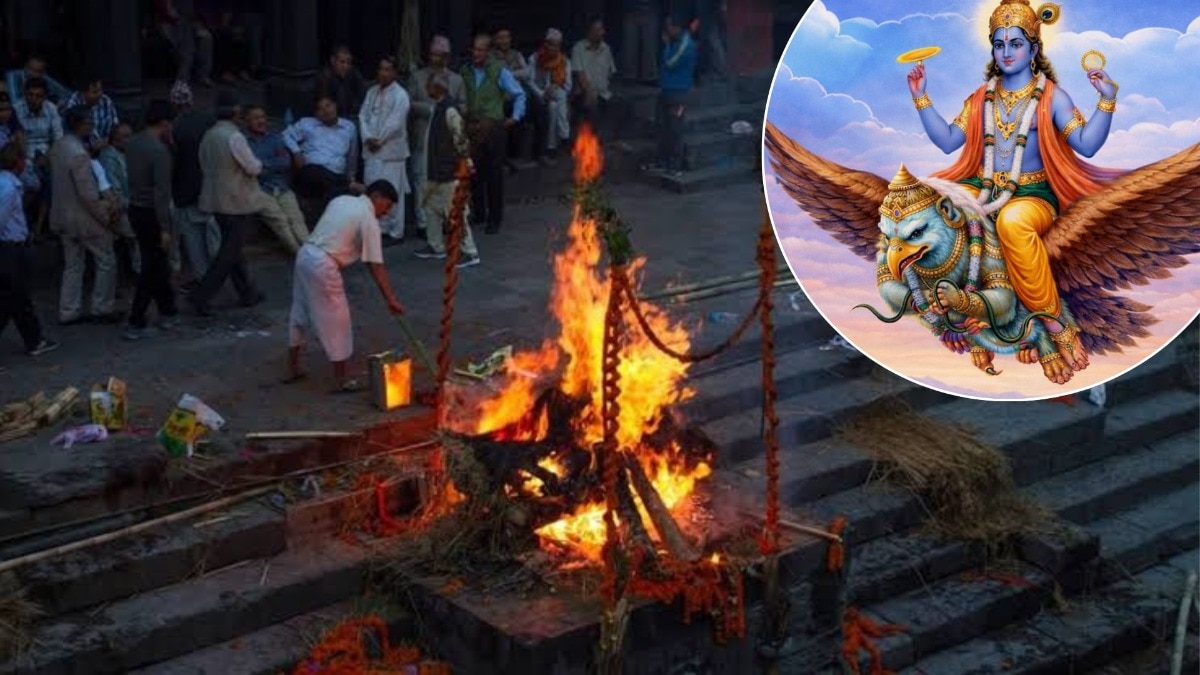
In Hindu tradition, the right to perform the 'mukhagni' (lighting the funeral pyre) during last rites is often exclusively granted to men. This practice raises questions about why daughters are typically excluded from this significant ritual. The Garuda Purana and other ancient scriptures offer explanations for this tradition, delving into the spiritual and societal reasons behind it. The text explores the underlying beliefs that have shaped this custom over centuries. Furthermore, it addresses the contemporary question of whether daughters can and should perform this duty in modern times. The article aims to clarify the traditional stance and examine its relevance and potential for evolution in the current social landscape.
The traditional allocation of funeral rites, such as mukhagni, primarily to male heirs reflects deeply embedded patriarchal structures within many cultural and religious frameworks. While historical texts like the Garuda Purana offer explanations rooted in specific societal norms and interpretations of spiritual duties, modern societal shifts are increasingly challenging these traditional divisions. As gender roles evolve and the concept of equal partnership gains prominence, questions arise about the equitable distribution of familial responsibilities, including those related to honoring ancestors. Examining this practice through a contemporary lens necessitates considering principles of inclusivity and the evolving understanding of spiritual fulfillment, prompting a re-evaluation of whether such rites should remain exclusively tied to gender or lineage.
AI-generated to prompt reflection — not editorial opinion, not advice, not a statement of fact. How this works.