Why Delhi's Monsoon Arrived Incomplete: Examining the Contributing Factors
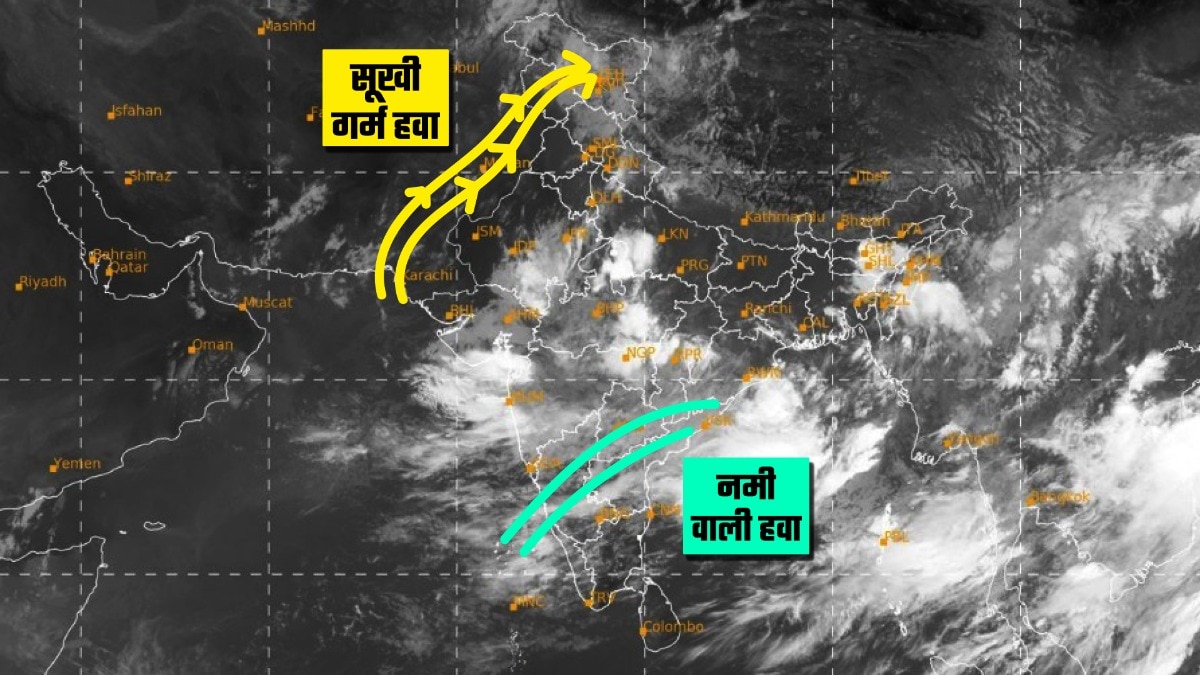
Delhi experienced an incomplete monsoon due to a combination of factors, primarily the interference of hot winds from Pakistan and a weak low-pressure area over the Bay of Bengal. These elements disrupted the normal progression of the monsoon system. The obstructing dry winds have now been pushed back. A new low-pressure system is forming, which is expected to bring the full monsoon across the country by July 10th. This development suggests a dynamic weather pattern influencing the region's rainfall.
The monsoon's partial arrival in Delhi highlights the complex interplay of regional atmospheric dynamics and broader meteorological patterns. The influence of Pakistani hot winds and a weakened Bay of Bengal low-pressure system demonstrates the sensitivity of monsoon onset to competing air masses and pressure gradients. The formation of a new low-pressure area indicates a potential recalibration of weather systems, suggesting that while initial forecasts may be disrupted, subsequent developments can re-establish expected patterns. This situation underscores the inherent variability in climate forecasting and the need for adaptive models that can account for rapidly shifting meteorological conditions. The eventual arrival of the full monsoon by July 10th will be a key indicator of the system's recovery and the resilience of regional weather patterns.
AI-generated to prompt reflection — not editorial opinion, not advice, not a statement of fact. How this works.