Why Did Modi Government Ministers Rush to Talk to Rahul Gandhi During His Protest?
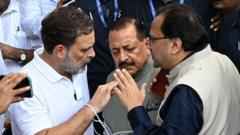
Prime Minister Narendra Modi has been in office for over 12 years, and it is rare for the opposition to demand something and the government to proactively initiate dialogue. However, this unusual situation occurred on Tuesday. Rahul Gandhi, a prominent opposition figure, staged a protest, prompting ministers from the Modi government to immediately engage in discussions with him. The article questions the reasons behind this swift government response, which deviates from the typical political dynamic where the ruling party often avoids direct engagement with opposition demands. This event marks a significant departure from the usual political landscape, prompting speculation about the underlying factors that led to the ministers' urgent approach to Rahul Gandhi.
The prompt engagement by government ministers with Rahul Gandhi's protest, despite a historical pattern of limited direct dialogue with the opposition, suggests a strategic calculation by the ruling party. This interaction may indicate an effort to manage public perception, de-escalate potential political fallout, or perhaps address specific concerns that warranted immediate attention. The government's decision to break from its usual approach highlights the dynamic interplay of political pressure and the need for responsive governance, particularly in the face of organized opposition. Understanding the incentives driving this deviation is key to analyzing the broader implications for parliamentary discourse and the balance of power in India's democratic framework.
AI-generated to prompt reflection — not editorial opinion, not advice, not a statement of fact. How this works.