Why Did World War I Happen?
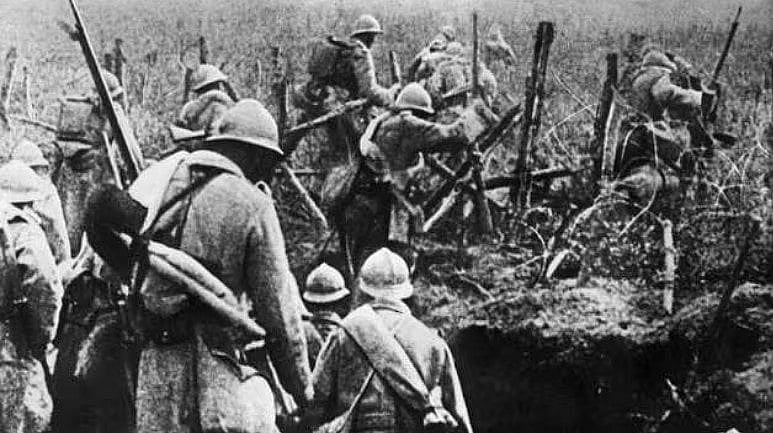
This source addresses the fundamental question of why World War I occurred. It delves into the complex web of factors that led to the outbreak of the devastating global conflict. The analysis explores the underlying causes, including the intricate alliance systems, imperialistic ambitions, and rising nationalism that characterized Europe in the early 20th century. It examines how these elements created a volatile environment where a single spark could ignite a widespread war. The source aims to provide a clear understanding of the historical context and the specific events that culminated in the declaration of war. Ultimately, it seeks to answer the pivotal question of the war's origins.
The outbreak of World War I was a complex geopolitical event driven by a confluence of systemic factors rather than a single cause. The intricate network of military alliances, coupled with intense imperial competition and fervent nationalism among European powers, created a highly unstable environment. This structure meant that a localized conflict had the potential to rapidly escalate into a continent-wide war. Understanding these historical dynamics offers insights into the dangers of unchecked militarism and the fragility of international relations when driven by competing national interests. Examining this period through a contemporary lens highlights the enduring importance of diplomatic engagement and robust international governance mechanisms to prevent large-scale conflicts in an increasingly interconnected world.
AI-generated to prompt reflection — not editorial opinion, not advice, not a statement of fact. How this works.