Why Do Babies Mouth Shoes? Understanding the Behavior and When to Seek Help
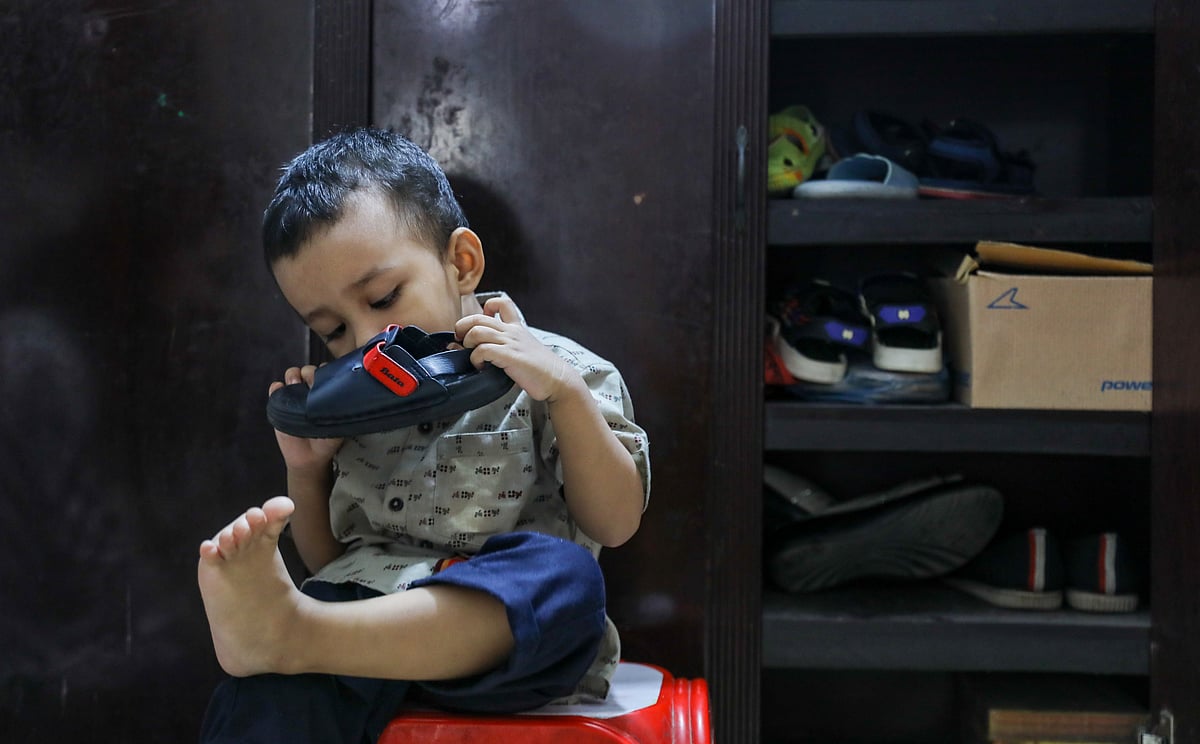
Many infants and young children exhibit a tendency to mouth or chew on shoes and sandals, a behavior that often causes concern among parents. This habit is generally considered normal for babies who are still exploring their world through touch and taste, especially as they begin to crawl and their environment expands. When a baby is teething, they may also exhibit increased mouthing behavior as they seek relief from discomfort, and shoes can become an object of this exploration. However, this behavior is not universally normal and can sometimes indicate underlying issues. If a child who understands that shoes are not for eating continues to mouth them repeatedly, especially for over a month, it warrants attention. This persistent habit, particularly if the child also chews on other inappropriate items, could signal a problem. Potential causes for this abnormal behavior include deficiencies in iron or other essential nutrients, or developmental concerns. Such issues can have long-term impacts on a child's physical and mental health if left unaddressed. Therefore, parents should consult a pediatrician if they observe this behavior, especially if it persists or is accompanied by other unusual signs, to ensure timely diagnosis and treatment. Prompt medical advice is crucial to prevent the problem from escalating and potentially affecting the child's development for years to come.
The article addresses a common childhood behavior, mouthing objects like shoes, by attributing it to normal developmental curiosity and teething. It also raises awareness that persistent or unusual instances of this behavior might signal nutritional deficiencies (like iron) or developmental issues, advising parental vigilance and consultation with pediatric specialists. This approach aligns with a public health perspective, focusing on early identification of potential developmental or nutritional deficits without causing undue alarm. The analysis highlights the importance of distinguishing between typical exploratory behavior in infants and potential indicators of underlying health concerns, emphasizing that professional medical evaluation is key when a child's actions deviate from expected developmental milestones or persist beyond a reasonable timeframe. This encourages a proactive approach to child health, ensuring that any emergent issues are addressed promptly to support healthy growth and development.
AI-generated to prompt reflection — not editorial opinion, not advice, not a statement of fact. How this works.