Why Do Clear Phone Cases Turn Yellow? It's Not Dirt, Experts Explain
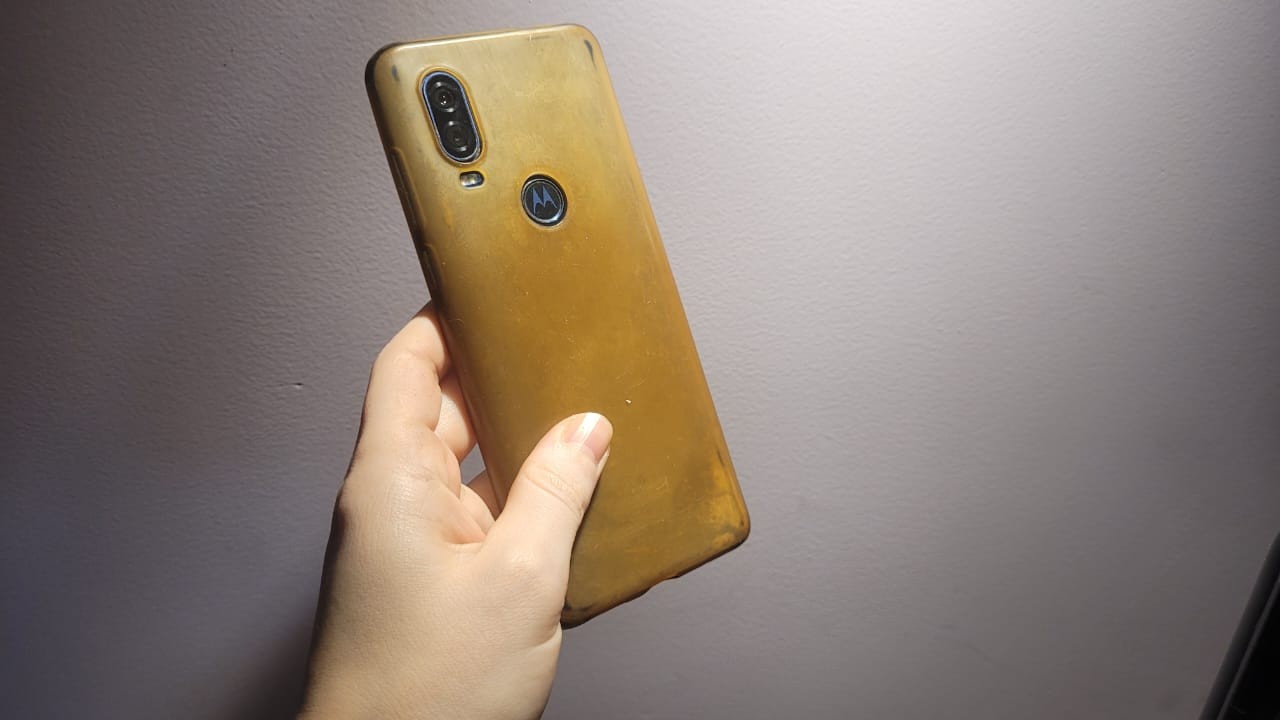
Clear phone cases, popular for showcasing a phone's design, inevitably turn yellow over time, giving the device a dingy appearance. This yellowing is not due to dirt but rather a degradation of the plastic material itself. According to polymer processing specialist Ana Clelia Babetto from SENAI-SP, these cases are typically made from thermoplastic polymers like TPU, PVC, and polycarbonates. These materials contain chemical groups susceptible to degradation when exposed to heat, light, oxygen, and sometimes moisture. The primary culprits are solar radiation and heat, which initiate chemical reactions such as oxidation and hydrolysis. These reactions create chromophores, molecular structures that absorb specific light wavelengths, resulting in the yellow color. This change is permanent as the compounds become integrated into the polymer's structure. Professor Maria do Carmo Gonçalves, a chemistry expert from Unicamp, confirms that the yellowing is a chemical alteration, not surface grime. While the process cannot be reversed or entirely prevented, its progression can be slowed. Tips to prolong the case's clarity include regular cleaning with mild soap and water, avoiding harsh chemicals like alcohol or solvents, and minimizing exposure to direct sunlight and heat. It's also advised to remove the case periodically, especially during charging, to prevent heat buildup, and to avoid environments with high humidity. The article also lists various transparent phone case models available online, ranging in price from R$15 to R$110.
The yellowing of transparent phone cases is a predictable outcome of material science, illustrating the inherent trade-offs between product aesthetics and material durability. The degradation process, driven by environmental factors like UV light and heat, highlights the limitations of current polymer technologies in maintaining visual integrity under common usage conditions. From a systems perspective, the consumer electronics accessory market faces a recurring challenge: balancing cost-effectiveness and consumer appeal with the long-term performance and environmental impact of its materials. Future innovations may focus on developing more UV-stable polymers or exploring alternative, perhaps biodegradable, materials that offer comparable protection without the aesthetic decline, thereby addressing both consumer expectations and sustainability concerns over the next decade.
AI-generated to prompt reflection — not editorial opinion, not advice, not a statement of fact. How this works.