Why Do Metro Tracks Lack Ballast While Traditional Railways Have It?
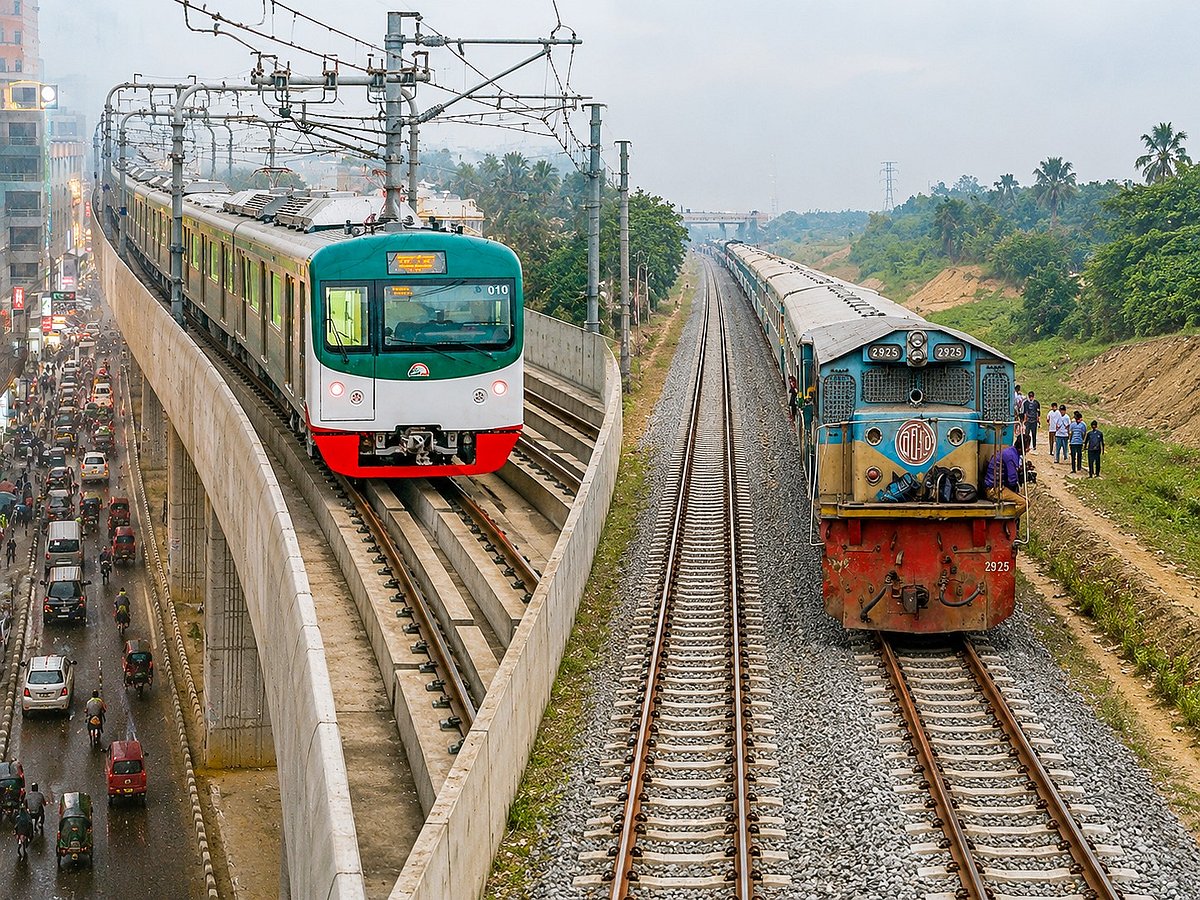
Traditional railway lines are commonly observed to consist of two iron rails supported by sleepers, with numerous stones spread around them. In contrast, metro train tracks do not feature these stones. This raises the question of whether the ballast on traditional railways is merely an outdated technology or if there is a scientific principle behind its use that is being applied differently in metro systems. The presence or absence of this ballast on different types of rail infrastructure prompts an inquiry into the underlying engineering and design choices. It suggests a potential divergence in technological evolution between conventional railways and modern metro systems. The article poses a question about the scientific or technological reasons for this difference, inviting further exploration into railway engineering.
The differing construction of traditional railways and modern metro systems, specifically regarding the use of ballast, highlights distinct engineering priorities. Traditional railways, often designed for heavier loads and varied terrain, utilize ballast for load distribution, drainage, and track stability. Metro systems, typically operating on elevated or dedicated, often more uniform, structures, may employ alternative methods for track support and stability, potentially prioritizing reduced maintenance or different operational dynamics. This divergence reflects evolving technological approaches to infrastructure design, balancing factors like cost, environmental conditions, and specific operational requirements. Understanding these choices illuminates the trade-offs inherent in infrastructure development and the continuous adaptation of engineering solutions to meet new challenges and optimize performance within specific contexts.
AI-generated to prompt reflection — not editorial opinion, not advice, not a statement of fact. How this works.