Why Do Muscles Ache the Day After Exercise? Understanding DOMS
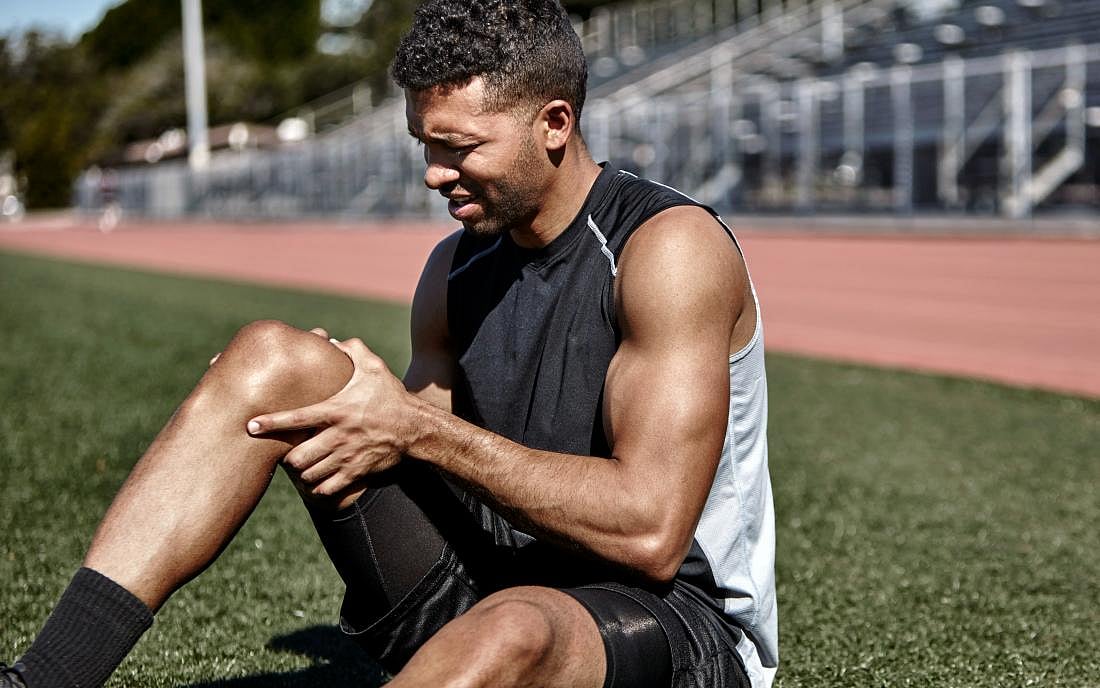
Many individuals experience muscle soreness the day after physical activity, a phenomenon known as Delayed Onset Muscle Soreness (DOMS). This pain typically manifests 24 to 48 hours after exercise, persisting for up to three or four days, and is distinct from immediate pain caused by acute injuries. Contrary to an older belief that lactic acid buildup was the cause, modern science has debunked this theory, as lactic acid is cleared from the body within one to two hours post-exercise. The actual cause of DOMS lies in microscopic tears within muscle fibers, which occur when muscles are subjected to unaccustomed stress, particularly during eccentric contractions where muscles lengthen under load. These micro-tears are not severe injuries but rather the initial step in strengthening muscles. The body initiates a repair process, sending blood, white blood cells, and nutrients to the affected area, leading to inflammation, swelling, and pressure on pain nerves, resulting in the delayed soreness. Scientists recommend 'active recovery,' involving light walking or stretching, to increase blood flow and aid repair, rather than complete rest. Adequate protein intake and sufficient sleep are also crucial, as muscle repair is most effective during sleep. This process of muscle adaptation, or hypertrophy, leads to stronger, more robust muscle fibers, reducing soreness during subsequent workouts as the body adjusts.
The phenomenon of DOMS highlights the body's adaptive response to physical stress, illustrating a fundamental principle of exercise physiology. The delayed onset of pain, rather than immediate feedback, underscores the complex biological processes involved in muscle repair and adaptation. This adaptive mechanism, while causing temporary discomfort, ultimately leads to increased muscle strength and resilience, a crucial factor in long-term physical conditioning. Understanding DOMS can inform training protocols, emphasizing progressive overload and adequate recovery to optimize performance gains while managing discomfort and potential injury risk. The scientific consensus shifts focus from outdated theories to the biological reality of micro-trauma and subsequent repair, offering a clearer framework for athletes and fitness enthusiasts to manage their training.
AI-generated to prompt reflection — not editorial opinion, not advice, not a statement of fact. How this works.