Why Do Quail Eggs Have Different Spots and Colors? An Explanation
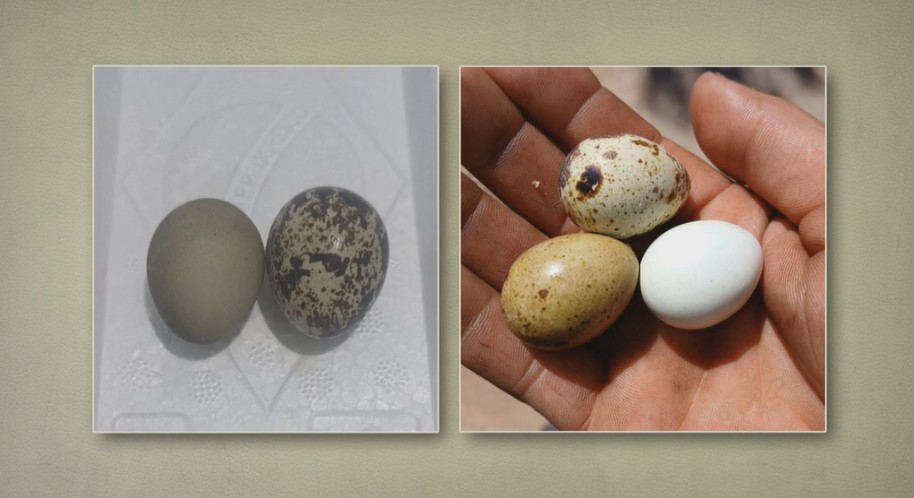
Quail eggs exhibit a natural variation in shell colors and spot patterns, a phenomenon primarily attributed to the genetics of each individual bird. According to veterinarian Carlos Pozzebom, who manages a flock of approximately 5,400 quail in Coronel Freitas, Santa Catarina, Brazil, every egg possesses unique characteristics. "This diversity arises from the birds' genetics. Each egg will have its own coloration, different sizes, and spots. Each egg is unique," he explained. The pigments responsible for shell coloration are produced by glands within the bird's uterus, with each quail's genetic makeup influencing whether the hue leans towards brown, blue, or green. The pigmentation process occurs during the final stage of egg formation, when pigments are deposited to create the varied tones and patterns on the shell. Consistently white eggs can signal a health issue with the bird, potentially stemming from nutritional deficiencies or stress. Stress factors include insufficient light, high temperatures, or overcrowding in cages. Quail require around 18 hours of light daily, a combination of natural and artificial sources, and thrive in temperatures between 20°C and 25°C. Adequate space is also crucial for their well-being; overcrowding can lead to stress, with a common industry standard of up to 10 quail per square meter.
The varied coloration and spotting of quail eggs are a direct result of avian genetics and the physiological processes of egg formation. While genetic diversity naturally leads to unique egg appearances, deviations from expected patterns, such as consistently white eggs, can serve as indicators of suboptimal environmental conditions or nutritional deficiencies. This highlights the intricate link between animal welfare, environmental management, and product consistency in agricultural settings. Future advancements in precision agriculture may leverage such biological indicators to optimize flock health and productivity, ensuring both animal well-being and reliable output through data-driven environmental controls and tailored nutritional strategies.
AI-generated to prompt reflection — not editorial opinion, not advice, not a statement of fact. How this works.