Why Do Screws Have Different Head Slots? The Surprising Reasons and Uses
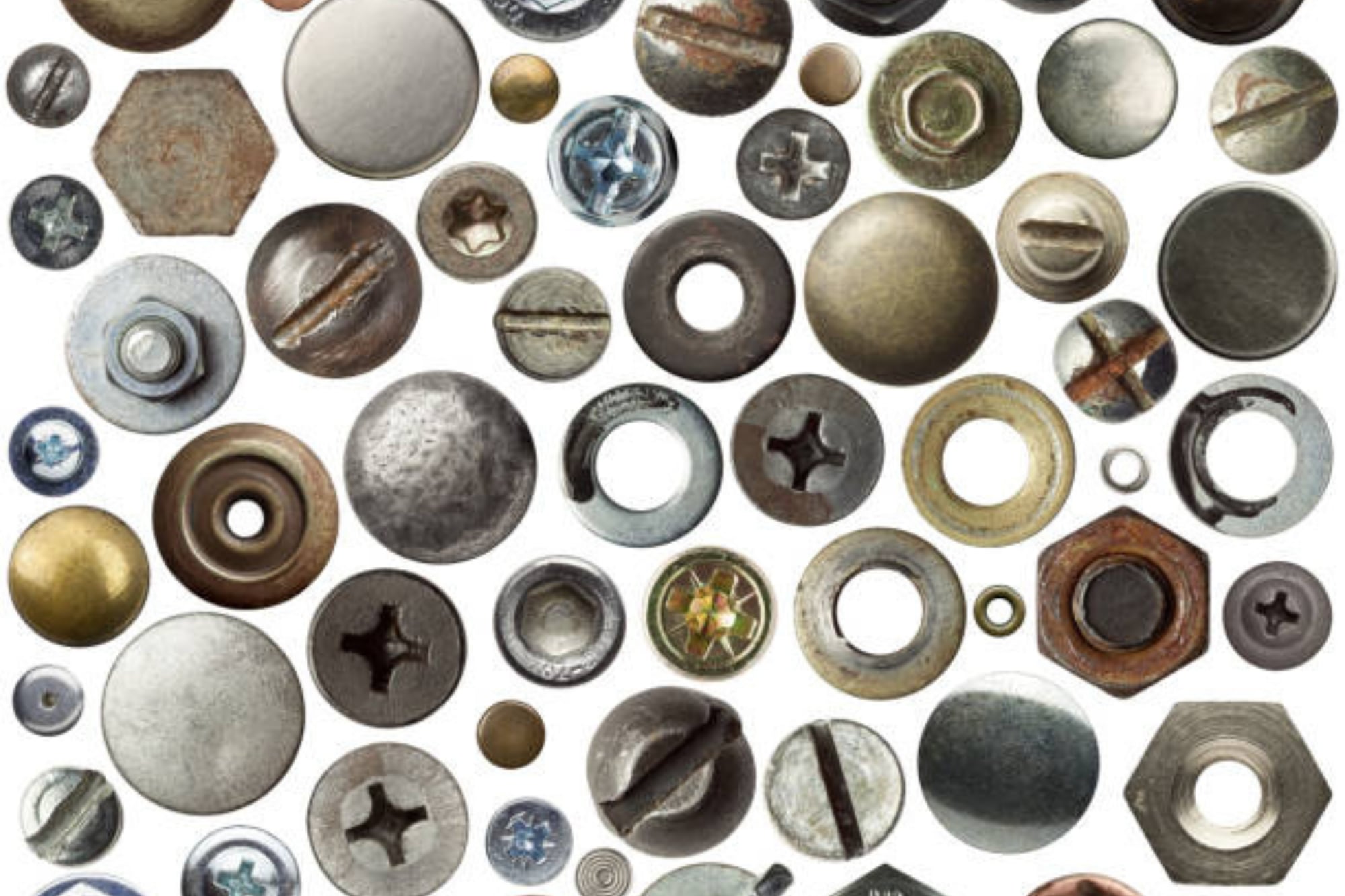
The mystery behind the varied slots on screw heads is finally revealed, addressing a common question for those who infrequently perform home repairs. Understanding these differences can be surprisingly helpful for future DIY projects. The design of screw heads is not arbitrary; each type of slot serves specific purposes related to the tool used for driving the screw and the torque it can withstand. For instance, the common slotted screw, while simple, is prone to cam-out, where the screwdriver slips out of the head. Phillips head screws were developed to address this, featuring a cross-shaped recess designed to center the screwdriver and allow for higher torque application before slipping. Pozidriv screws are an evolution of the Phillips head, offering even better torque transfer and reduced cam-out with their four additional small points. Torx (star-shaped) screws provide superior grip and torque capabilities, making them ideal for applications requiring high rotational force, such as in automotive and electronics industries. Hex sockets, or Allen screws, are designed for use with L-shaped hex keys and are common in furniture assembly and machinery due to their ability to withstand significant torque and allow for compact designs. The choice of screw head slot directly impacts the efficiency and safety of the fastening process, influencing the type of tool required and the potential for damage to the screw head or the surrounding material.
The diversity in screw head designs reflects an ongoing engineering evolution aimed at optimizing torque transfer, preventing tool slippage (cam-out), and accommodating different manufacturing and assembly processes. Each slot type represents a trade-off between manufacturing cost, tool compatibility, and performance under load. From a systems perspective, the proliferation of screw head types, while offering specialized benefits, can also introduce complexity and potential inefficiencies in repair and maintenance due to the need for a wide array of specialized tools. As automation and robotics become more prevalent in manufacturing and construction, the industry may see a push towards standardization or the adoption of head types that are more amenable to automated driving systems, potentially favoring those with higher torque resistance and reduced cam-out risk. This ongoing optimization highlights the interplay between material science, mechanical engineering, and the practical demands of assembly and disassembly across various industries.
AI-generated to prompt reflection — not editorial opinion, not advice, not a statement of fact. How this works.