Why Does Austria Have a Political Summer Recess?
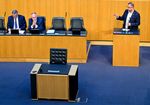
The article discusses the tradition of the political summer recess in Austria, a period when parliamentary activities typically slow down. This break, often observed during July and August, allows politicians to take a respite from legislative duties and public engagements. While the exact origins are debated, the practice is rooted in historical parliamentary traditions and the desire for a period of rest and reflection. The concept of a summer recess is not unique to Austria, with many other countries also observing similar breaks in their legislative calendars. The article prompts a discussion within the community on the necessity and implications of this tradition in contemporary political life. It raises questions about whether such a break is still relevant in today's fast-paced political environment and if it impacts the efficiency of governance. The STANDARD-Community is invited to share their views on the topic.
The political summer recess in Austria, while a long-standing tradition, presents a recurring question regarding its efficacy in modern governance. The practice, intended to provide a period of rest, can be viewed through the lens of public service expectations in an era of constant connectivity and pressing global challenges. From a systems perspective, the recess may offer a valuable opportunity for reflection and strategic planning away from immediate legislative pressures. However, it also raises questions about accountability and responsiveness, particularly if significant public issues arise during this period. Evaluating the recess's impact on legislative productivity versus the benefits of a mental reset for elected officials requires a nuanced understanding of political cycles and the evolving demands placed upon them.
AI-generated to prompt reflection — not editorial opinion, not advice, not a statement of fact. How this works.