Why Does Cooked Meat Turn Green? Scientific Explanation Revealed
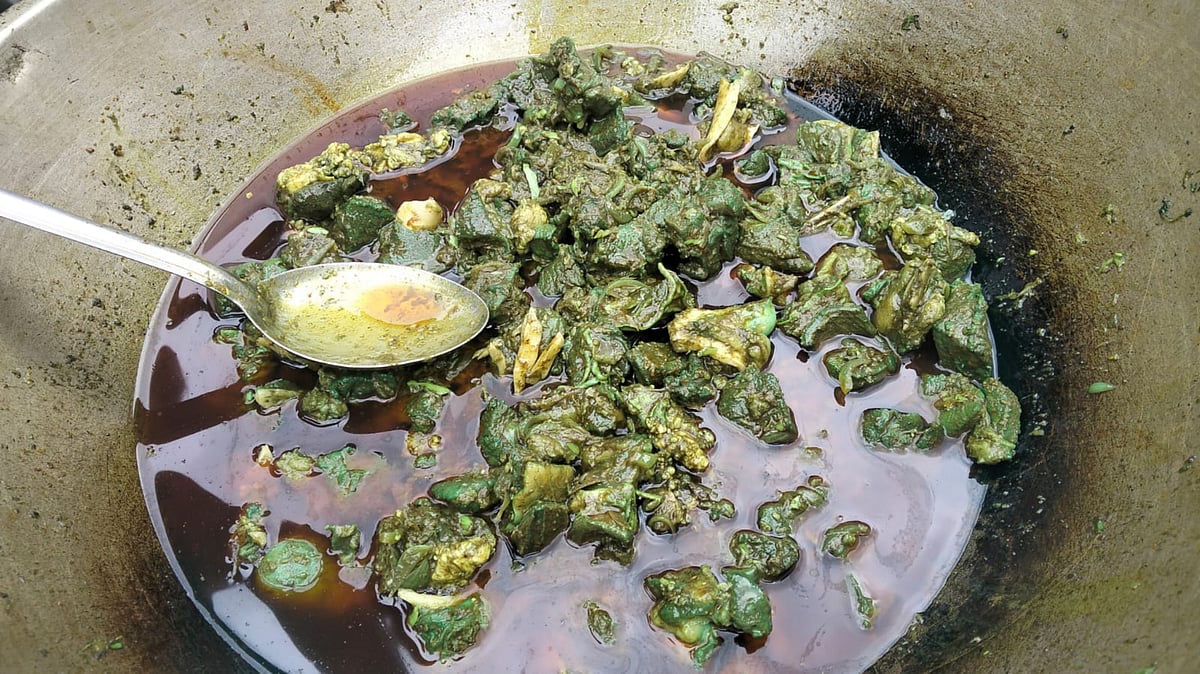
A peculiar incident occurred in Khulna, Bangladesh, where beef intended for a picnic turned green during cooking, prompting concern and the involvement of local authorities. The unusual color change led to the meat being taken to the Upazila Nirbahi Officer's office and the police station, with a video of the event circulating on social media. Food scientists explain that meat can indeed develop a greenish or iridescent hue, and this does not automatically signify spoilage or toxicity. The red color of meat is primarily due to myoglobin, a protein whose structure can alter under heat, oxygen, and chemical reactions during cooking, leading to a greenish tint. This phenomenon, known as iridescence, is often observed in cured meats like roast beef or ham, and is a physical reaction to light reflection rather than an additive. Experts emphasize that discolored meat is safe to consume if its odor is normal, it is not slimy, has been stored properly, and is not past its expiration date. However, a greenish or grayish color can also indicate bacterial or microbial spoilage, typically accompanied by foul odors and a slimy texture. Without laboratory testing, the exact cause of the Khulna incident remains uncertain, as it could be a result of normal chemical changes or improper storage. Relying solely on visual cues like browning is insufficient; the most reliable indicator of safe cooking is the internal temperature of the meat, ideally measured with a food thermometer. While a color change is unusual, it's not always a sign of poison or contamination, but caution is advised if the meat exhibits signs of spoilage such as bad smell, sliminess, or mold-like spots.
The incident in Khulna highlights a common public apprehension regarding food safety, where visual cues like color change are often conflated with spoilage or contamination. Scientific explanations, such as myoglobin degradation and light iridescence, demonstrate that such color shifts can be benign chemical or physical phenomena unrelated to toxicity. This underscores the importance of a multi-sensory approach to food safety assessment, considering odor, texture, and storage history alongside appearance. Over-reliance on simplistic visual indicators can lead to unnecessary food waste or, conversely, a false sense of security. Future food safety education should prioritize educating consumers on these nuanced indicators and promoting objective measurement tools like thermometers, fostering a more rational and less reactive approach to perceived food anomalies.
AI-generated to prompt reflection — not editorial opinion, not advice, not a statement of fact. How this works.