Why Earth Your Home? Understanding the Cost and Importance of Earthing
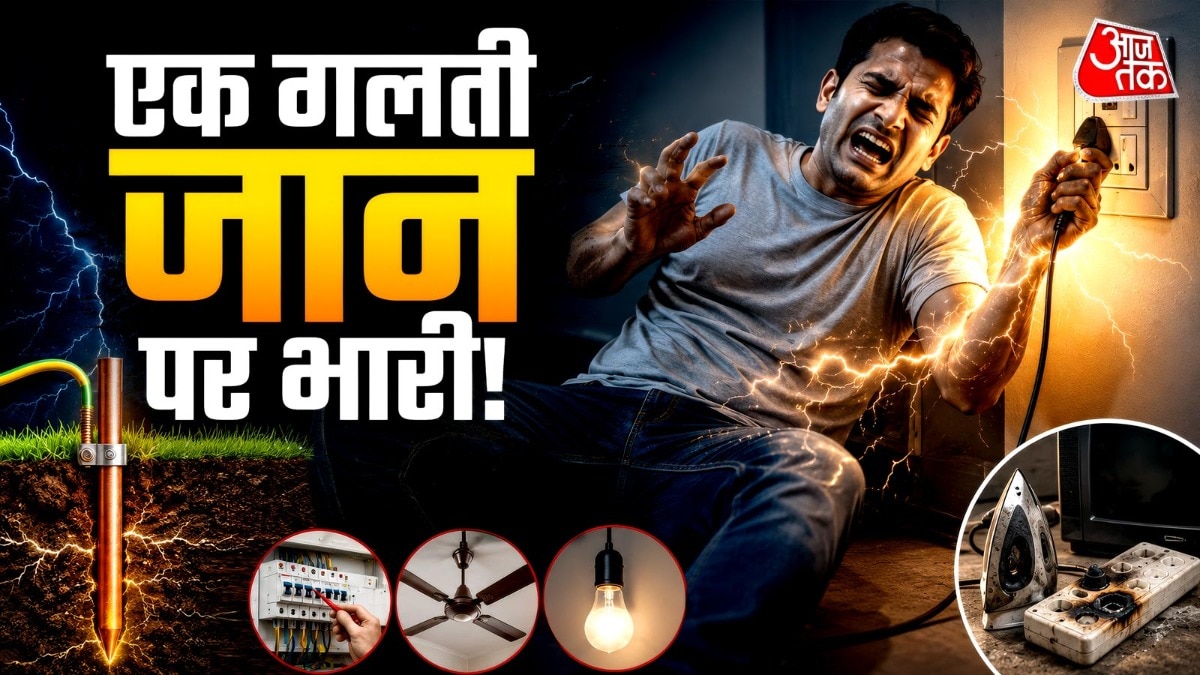
Earthing in a home is not merely a technical electrical task but a crucial safety measure for individuals and families. Proper earthing significantly reduces the risk of electric shock. It also safeguards expensive electronic appliances from damage. In cases of electrical leakage, earthing ensures that excess current is safely dissipated into the ground. This system is vital for preventing electrical hazards and protecting valuable equipment. The process involves connecting electrical appliances and the home's wiring system to the earth, providing a low-resistance path for fault current. This prevents dangerous voltage build-up on metal casings of appliances. Installing or upgrading an earthing system is an investment in safety and appliance longevity. The cost can vary depending on the size of the house and the complexity of the installation. However, the peace of mind and protection it offers are invaluable.
The installation of earthing systems in residential properties addresses fundamental electrical safety principles. By providing a path for fault currents to dissipate into the ground, earthing mitigates the risk of electric shock and protects sensitive electronic equipment from surges. From a systemic perspective, inadequate earthing represents a vulnerability in household electrical infrastructure, potentially leading to accidents and property damage. The cost of implementing proper earthing should be viewed as a necessary investment in risk management, comparable to other safety features in a home. As electrical device density increases and reliance on technology grows, the importance of robust safety protocols like earthing will become even more pronounced in the coming decade, ensuring both personal security and the operational integrity of modern appliances.
AI-generated to prompt reflection — not editorial opinion, not advice, not a statement of fact. How this works.