Why Eight of the Ten Most Populous Countries Missed the 2026 World Cup
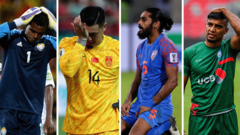
Despite the global passion for football, eight of the world's ten most populous nations failed to qualify for the 2026 FIFA World Cup. The tournament kicked off on June 17th, with Lionel Messi of Argentina scoring the opening goal against Algeria. This absence highlights a significant disconnect between population size and international footballing success. The qualification process for the World Cup is notoriously competitive, involving regional confederation tournaments that determine which teams advance. Many of the most populous countries, particularly in Asia and Africa, may face greater challenges in developing elite footballing talent and infrastructure compared to nations with smaller populations but stronger footballing traditions. Factors such as investment in youth development, coaching quality, and domestic league strength play crucial roles. The event underscores that while football is a global sport, its highest levels of competition remain dominated by a select group of nations with established footballing prowess. The discrepancy raises questions about the accessibility and development pathways for football in densely populated regions worldwide.
The 2026 World Cup's participant list, notably excluding many highly populous nations, prompts an examination of global football development structures. While population size is a demographic indicator, it does not directly correlate with sporting achievement, which is shaped by factors like investment in infrastructure, coaching, and grassroots development programs. The qualification system itself, designed for competitive balance, may inadvertently favor nations with established footballing cultures and robust development pipelines. This disparity suggests a need for strategic initiatives to foster talent and enhance competitiveness in populous regions, potentially through increased international collaboration, resource allocation, and tailored development frameworks. Over the next decade, addressing these systemic gaps could lead to a more globally representative and competitive World Cup, reflecting the sport's universal appeal.
AI-generated to prompt reflection — not editorial opinion, not advice, not a statement of fact. How this works.