Why footballers rinse with sports drinks and spit them out
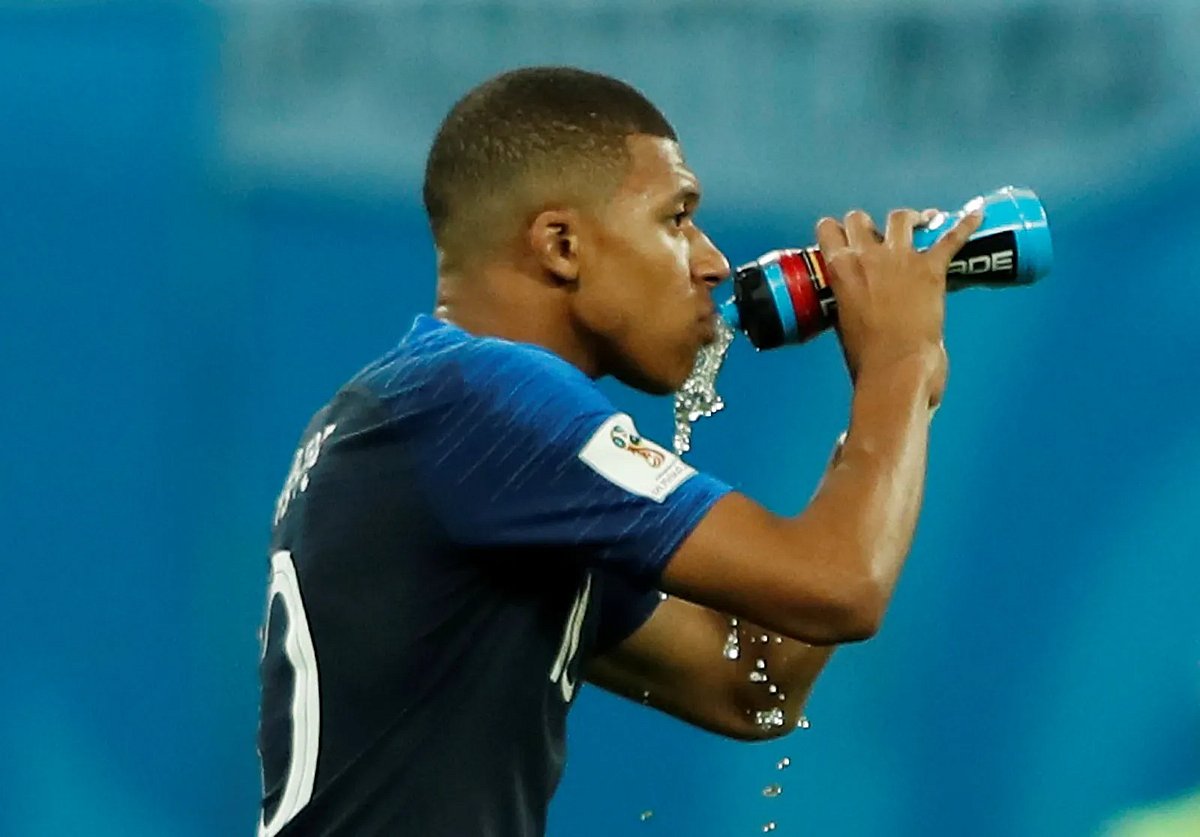
Footballers often take a sip of sports drink, swish it around their mouth for a few seconds, and then spit it out instead of swallowing. This practice, known as 'carbohydrate mouth rinse,' is a recognized sports science technique used not only by footballers but also by endurance athletes like cyclists and marathon runners. The method works by stimulating carbohydrate receptors in the mouth, which send signals to the brain areas related to reward, motivation, and motor control. Although the body doesn't actually receive extra energy, the brain perceives an upcoming fuel supply, temporarily boosting alertness, focus, and performance.
Athletes choose not to swallow the drink during matches because consuming larger amounts could lead to a feeling of fullness or discomfort, potentially hindering their ability to sprint. Swallowing also requires time for digestion before the energy becomes available. The mouth rinse provides a quicker way to signal the brain for an immediate, albeit temporary, performance boost. While the technique has been used for years, it gained significant attention during the 2018 FIFA World Cup when players like Harry Kane and Cristiano Ronaldo were observed using it. It's crucial to note that carbohydrate mouth rinse is not a substitute for hydration; regular water and electrolyte-rich drinks are essential for replenishing fluids lost through sweat. Experts emphasize that this technique is primarily beneficial for prolonged, high-intensity exercise and is not necessary for general activities like walking or light exercise.
The practice of 'carbohydrate mouth rinse' highlights the sophisticated understanding of human physiology and psychology in elite sports. By leveraging the brain's reward pathways through oral stimulation, athletes can achieve marginal performance gains without the physiological burden of ingesting excess calories during competition. This technique underscores how advancements in sports science are optimizing every possible factor for peak performance, even seemingly counterintuitive ones. Looking ahead, as AI and neurotechnology continue to evolve, we may see even more nuanced methods emerge for directly influencing cognitive and motor functions during physical exertion, potentially blurring the lines between physiological response and direct neural intervention.
AI-generated to prompt reflection — not editorial opinion, not advice, not a statement of fact. How this works.