Why France's Goalkeepers Consistently Wear Number 16 at the World Cup
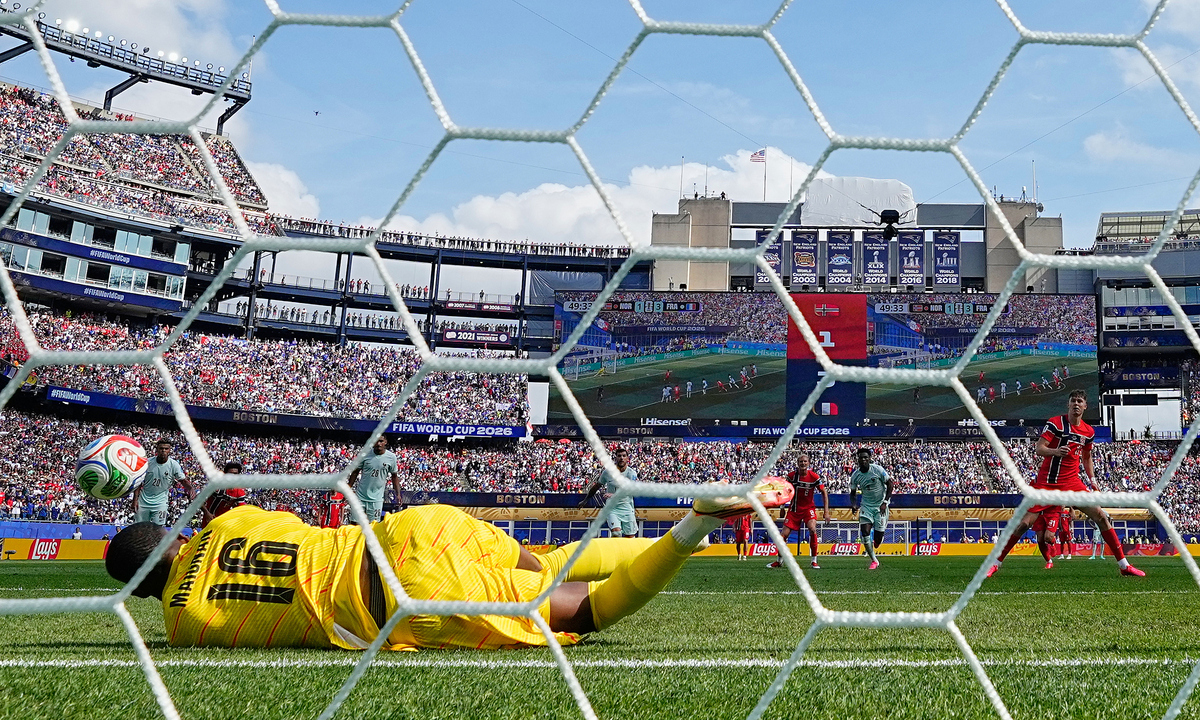
The number 16 has become a notable jersey choice for goalkeepers at the World Cup, ranking as the fifth most common number worn by keepers in the 2026 tournament. It follows the more traditional numbers 1, 12, 22, and 23. A significant influence behind the prevalence of the number 16 among goalkeepers appears to stem from France. This tradition suggests a historical or symbolic connection for French goalkeepers choosing this specific number. The reasons for this enduring choice are not explicitly detailed but imply a pattern established by French players that has resonated with others. The article highlights that while other numbers are more common overall, number 16 holds a distinct position, largely attributed to French influence. This observation invites further exploration into the origins of this goalkeeping tradition within French football and its subsequent adoption by others on the global stage.
The consistent selection of jersey number 16 by French goalkeepers at the World Cup, influencing its broader adoption, presents an interesting case study in sports tradition and player identity. This phenomenon highlights how individual team choices can cascade into wider trends within global sporting events. From a systemic perspective, such traditions can foster a sense of continuity and shared heritage among players, potentially impacting team morale and fan engagement. However, it also raises questions about the arbitrary nature of jersey number assignments and whether established conventions might inadvertently limit future choices or create unexamined symbolic weight. As the sports landscape evolves with increasing data analytics and player performance focus, the persistence of such traditions will be interesting to observe. It prompts consideration of how cultural narratives and player psychology interact with the commercial and performance-driven aspects of modern professional sports.
AI-generated to prompt reflection — not editorial opinion, not advice, not a statement of fact. How this works.