Why GameCube Games Are Expensive and Scarce
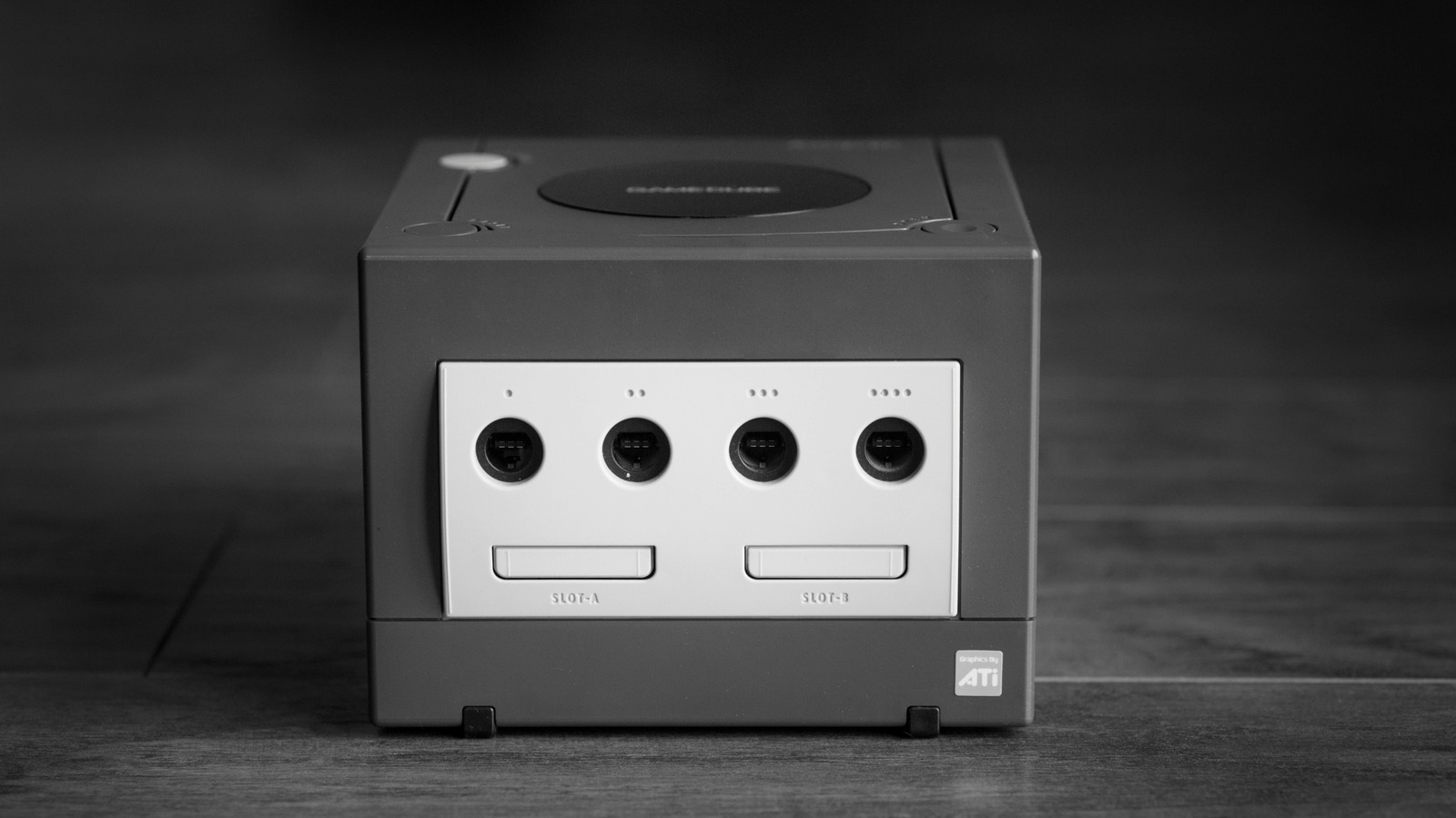
Nintendo's GameCube console, released in 2001, has seen its game library become exceptionally difficult to find and significantly more expensive over time. This scarcity is a key factor driving up prices for collectors and enthusiasts. Unlike many other retro gaming consoles, GameCube titles are rarely stocked in dedicated retro game stores, further contributing to their elusive nature. This lack of availability means that finding specific GameCube games requires considerable effort and often a higher financial investment. The situation reflects a broader trend in the vintage gaming market, where demand for nostalgic titles continues to grow, pushing up the value of rare items. The GameCube's unique library and its position in Nintendo's history make its games particularly sought after. As time passes, the remaining copies of these games are likely to become even rarer, potentially increasing their value further.
The escalating cost and limited availability of GameCube games can be attributed to several market dynamics. As a console from a previous generation, the natural attrition of physical media means fewer units survive in playable condition. Coupled with sustained collector demand, this supply-demand imbalance inevitably drives prices upward. The decision by retro stores to not stock these items suggests a calculation based on turnover rates and acquisition costs, perhaps indicating that the effort to source and sell these games doesn't align with their business models compared to other retro titles. This situation highlights the speculative nature of the vintage collectibles market, where nostalgia and perceived rarity can create significant value independent of the original utility of the product. Future market trends may see similar price escalations for other consoles as they age, driven by similar factors of limited supply and persistent, albeit niche, demand.
AI-generated to prompt reflection — not editorial opinion, not advice, not a statement of fact. How this works.