Why Healthy Parents Can Still Have Children with Rare Genetic Diseases
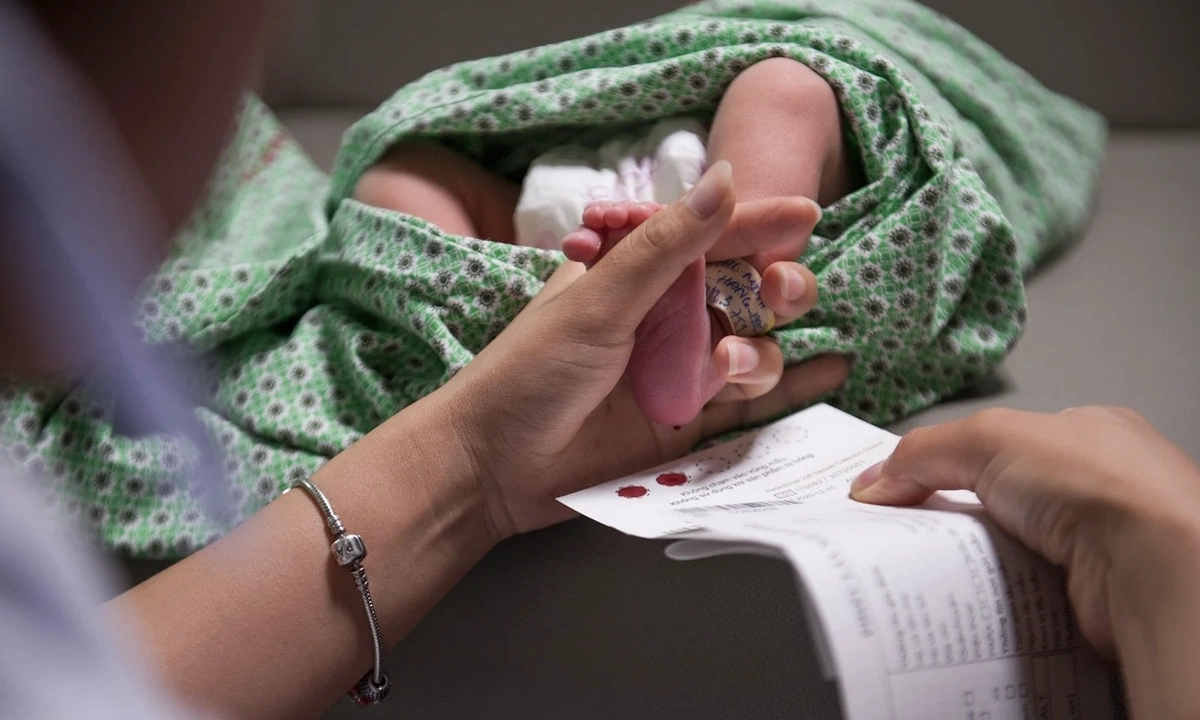
Despite appearing perfectly healthy and having no family history of illness, many couples are giving birth to children with severe genetic abnormalities. These conditions arise from recessive genes, meaning both parents carry a gene for a particular disorder but do not exhibit symptoms themselves. When both parents pass on this recessive gene to their child, the child can develop the associated rare disease. This phenomenon highlights that genetic predispositions for certain conditions can exist even in individuals with no outward signs of illness. The inheritance of these genetic disorders is a complex process, often involving carrier status that remains undetected until a child is born with the condition. These cases underscore the importance of understanding genetic inheritance patterns beyond visible health traits. Families facing such diagnoses often grapple with the unexpected nature of these genetic conditions. The occurrence of severe genetic defects in offspring from healthy parents emphasizes the intricate and sometimes unpredictable nature of genetic transmission.
The occurrence of severe genetic diseases in children born to healthy parents, attributed to recessive genes, illustrates a fundamental aspect of Mendelian inheritance. This phenomenon is not indicative of parental health failure but rather a consequence of genetic probabilities. Carriers of recessive genes are phenotypically normal, meaning their health is not outwardly compromised. The risk materializes only when two carriers reproduce, leading to a 25% chance of an affected child in each pregnancy. This underscores the limitations of relying solely on observable health status for assessing genetic risk. Future advancements in genetic screening and counseling may offer more proactive insights for prospective parents, enabling informed decisions about family planning by identifying carrier statuses before conception. Such technologies can mitigate the impact of these genetic realities by providing predictive information within a framework of individual reproductive autonomy.
AI-generated to prompt reflection — not editorial opinion, not advice, not a statement of fact. How this works.