Why Iran Clings to the Strait of Hormuz as a Strategic Lever
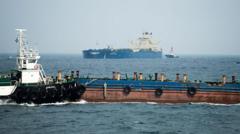
Iran's persistent reliance on the Strait of Hormuz as a leverage tool, while potentially increasing confrontation costs for its rivals, carries the risk of diminishing its strategic value in the long term. This is because such a strategy may inadvertently encourage global actors to reduce their dependence on this vital waterway. The ongoing use of the strait as a pressure point could accelerate efforts by other nations to find alternative routes and energy sources, thereby eroding Iran's influence over time. This situation presents a strategic dilemma for Tehran, balancing immediate gains from asserting control against the potential for long-term isolation and reduced leverage.
Iran's strategic posture regarding the Strait of Hormuz highlights a classic geopolitical tension between immediate coercive power and long-term strategic erosion. By leveraging its geographic position, Tehran aims to impose costs on adversaries and influence global energy markets. However, this approach risks accelerating diversification efforts by global powers, potentially diminishing the waterway's significance and Iran's leverage in the future. This dynamic underscores the inherent trade-off between short-term assertiveness and the imperative for sustainable influence in an evolving global energy landscape. Future considerations should include how technological advancements in energy and transportation might further reshape such strategic dependencies.
AI-generated to prompt reflection — not editorial opinion, not advice, not a statement of fact. How this works.