Why Iran-US conflict could trigger an unprecedented oil price surge
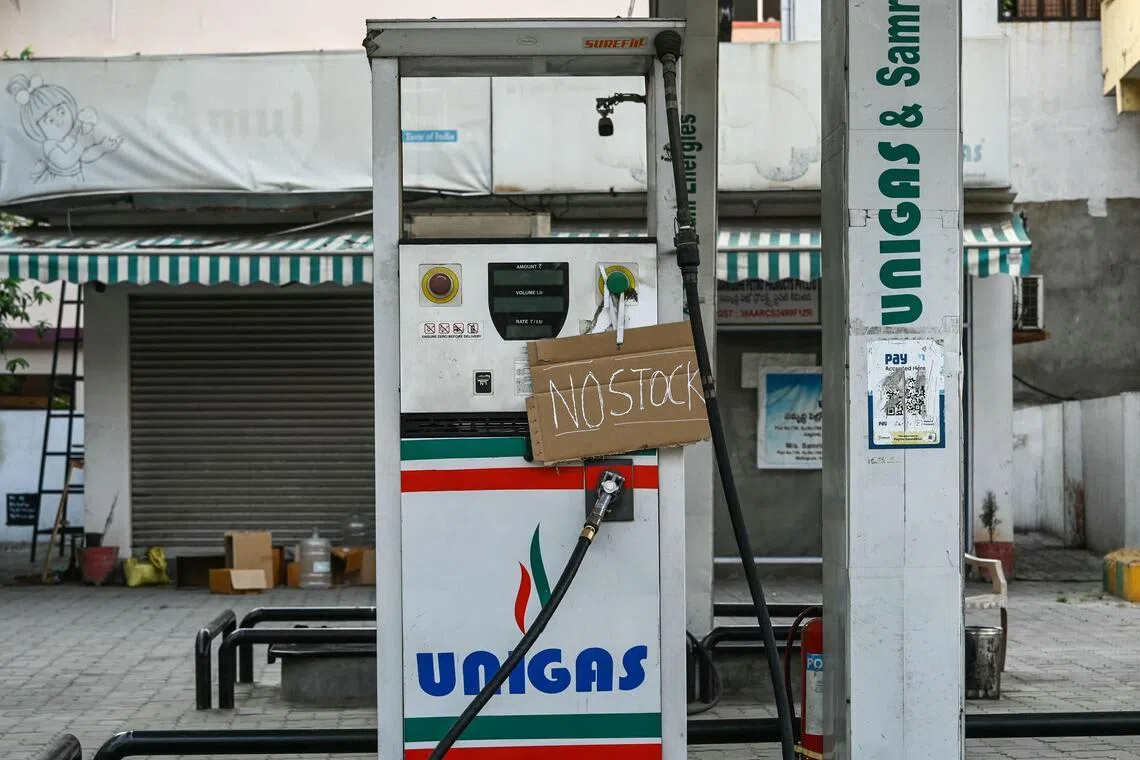
The global community is ill-prepared to manage a potential oil shortage should the conflict between the United States and Iran escalate. The current geopolitical climate suggests that a prolonged confrontation could lead to a significant disruption in global oil supplies. Unlike previous instances where fuel prices remained relatively stable, the current circumstances present a heightened risk of a dramatic price increase. This vulnerability stems from a reduced capacity to absorb supply shocks in the international oil market. The world's dependence on oil, coupled with existing supply chain fragilities, makes it susceptible to such a crisis. Therefore, any further escalation of tensions between the US and Iran could have severe economic repercussions worldwide. The potential for a substantial rise in fuel prices poses a threat to global economic stability and energy security. This situation highlights the need for proactive measures to mitigate the impact of such geopolitical events on energy markets.
The current geopolitical landscape suggests that the global energy market may be more vulnerable to supply disruptions than in previous periods. Factors such as reduced strategic reserves, increased global demand, and the concentration of production in volatile regions could amplify the impact of any conflict. This heightened sensitivity implies that market participants and policymakers need to consider a broader range of scenarios and develop more robust strategies for energy security. The potential for significant price volatility underscores the ongoing systemic challenge of balancing energy needs with geopolitical stability and the transition to alternative energy sources.
AI-generated to prompt reflection — not editorial opinion, not advice, not a statement of fact. How this works.