Why is AAP Uneasy with Congress's Protest Stance? Punjab Rivalry Extends to Delhi
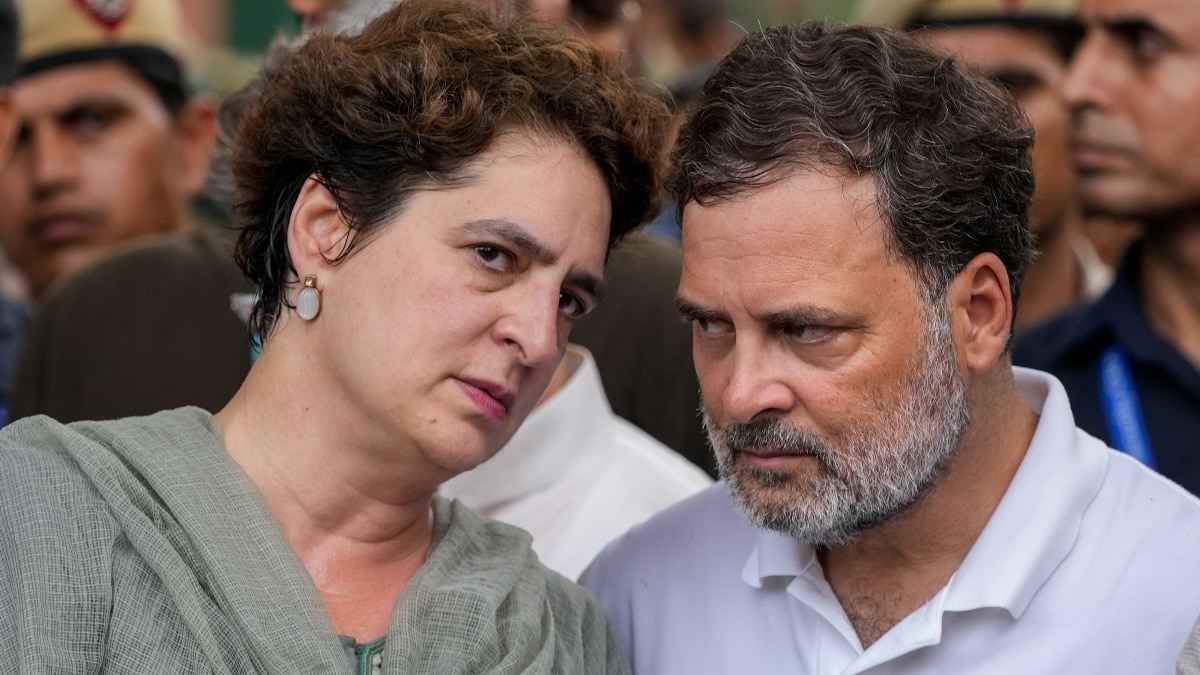
Congress leader Rahul Gandhi escalated a student protest from Delhi's Jantar Mantar to the Prime Minister's residence. Gandhi's demonstration outside the Prime Minister's official dwelling has reportedly unsettled the Aam Aadmi Party (AAP), raising questions about their reaction. This situation prompts an inquiry into why the AAP appears uneasy with the Congress party's current protest-oriented approach. The underlying tension seems to stem from ongoing political rivalries, particularly those originating in Punjab, which are now manifesting in the national capital, Delhi. The AAP's discomfort suggests a strategic calculation regarding the impact of Congress's assertive protest tactics on the political landscape. It highlights a potential conflict in opposition strategies as both parties vie for political influence.
The political maneuvering between the Congress and the Aam Aadmi Party (AAP) highlights the complex dynamics of opposition coalition formation and electoral competition in India. The AAP's apparent unease with Congress's protest actions, particularly in Delhi, suggests a strategic dilemma. While opposition unity is often seen as beneficial for challenging the ruling party, local and state-level rivalries, such as those in Punjab, can create friction. The AAP may be concerned that Congress's aggressive protest tactics could either steal political momentum or alienate voters they are trying to attract. This situation underscores the challenge of balancing broader national opposition goals with the specific interests and competitive pressures faced by individual parties. Future political alignments will likely depend on how these intra-opposition tensions are managed, potentially influencing electoral outcomes in upcoming elections.
AI-generated to prompt reflection — not editorial opinion, not advice, not a statement of fact. How this works.