Why is Government Employment So Coveted in India?
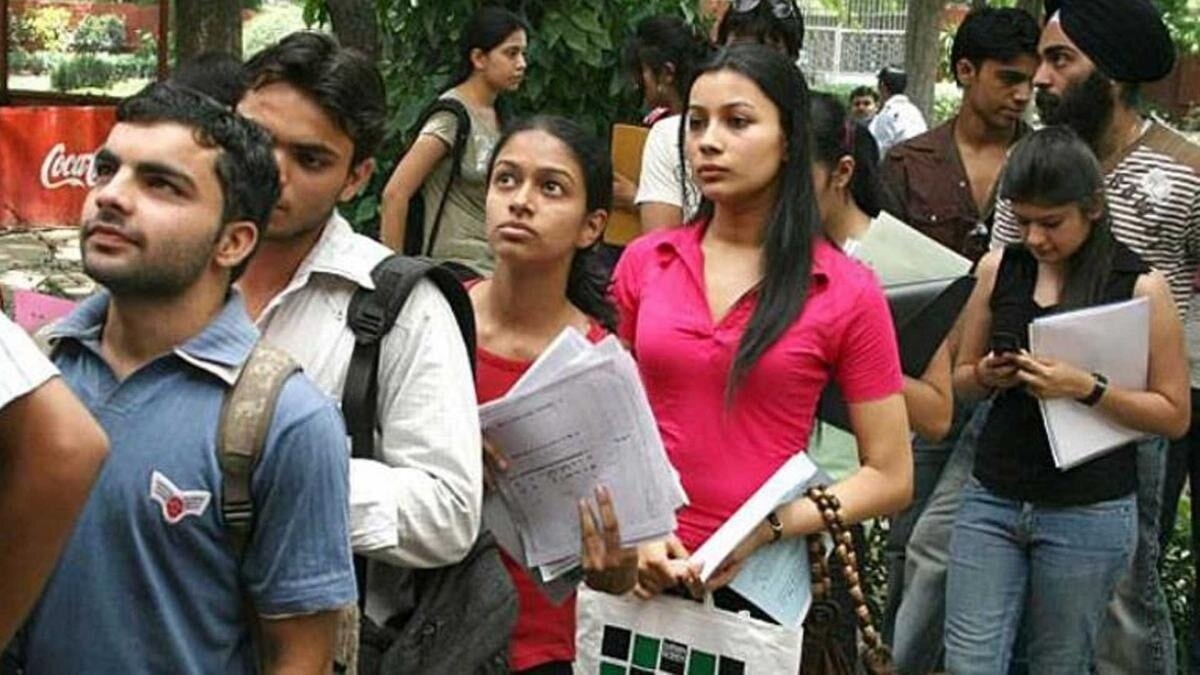
In India, achieving a government position, such as an Indian Administrative Service (IAS) or Provincial Civil Service (PCS) officer, often leads to widespread celebrations in villages and communities. Securing roles in institutions like the railways, banks, Staff Selection Commission (SSC), or police forces results in numerous congratulatory visitors. This intense desire for government jobs is so pronounced that individuals with good degrees still apply for even entry-level positions like peon. In stark contrast, countries like the United States, Germany, the United Kingdom, and France view government employment as respectable but not typically as the ultimate life goal for their youth. This raises the question of what makes government jobs so exceptionally attractive in India.
The strong preference for government jobs in India, contrasted with Western nations, highlights a complex interplay of socio-economic factors. In India, these positions often signify stability, social prestige, and a reliable income, particularly in a landscape where private sector job security can be perceived as lower. This aspiration is reinforced by cultural narratives that equate government service with respect and upward mobility. The differing perspective in countries like the US or Germany may stem from more robust private sectors, alternative pathways to social recognition, and perhaps a greater emphasis on entrepreneurial or specialized professional careers. Understanding these divergent incentive structures is key to analyzing future employment trends and the evolving definition of career success across different global contexts.
AI-generated to prompt reflection — not editorial opinion, not advice, not a statement of fact. How this works.