Why is Kheer Eaten on Shrawan 15 in Nepal?
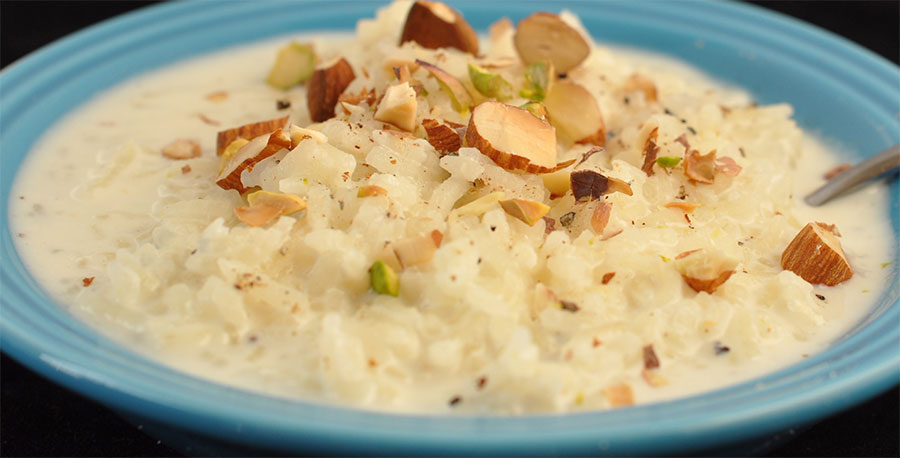
Today, Shrawan 15 (mid-July), Nepali society celebrates by eating kheer, a traditional rice pudding. This custom is part of a seasonal tradition where Dashain (mid-June) is marked by eating curd and beaten rice, and Shrawan 15 by kheer. The practice of consuming hot kheer during the monsoon season is believed to be beneficial for health. Kheer, made by boiling milk with spices and other ingredients, is thought to promote well-being. This culinary tradition is deeply embedded in the cultural fabric of Nepal, connecting seasonal changes with specific foods believed to offer health advantages.
The tradition of consuming kheer on Shrawan 15 highlights the intersection of cultural practices, seasonal agricultural cycles, and perceived health benefits within Nepali society. This practice reflects a long-standing reliance on dietary customs to navigate environmental changes, such as the monsoon rains. From a public health perspective, the emphasis on warm, nutrient-rich foods like kheer during periods of heavy rainfall could be interpreted as a traditional method of supporting well-being and potentially warding off seasonal ailments. The persistence of such traditions in the modern era suggests their enduring cultural significance and their role in maintaining community identity and connection to natural rhythms.
AI-generated to prompt reflection — not editorial opinion, not advice, not a statement of fact. How this works.