Why is Soap Foam White, Regardless of the Soap's Color?
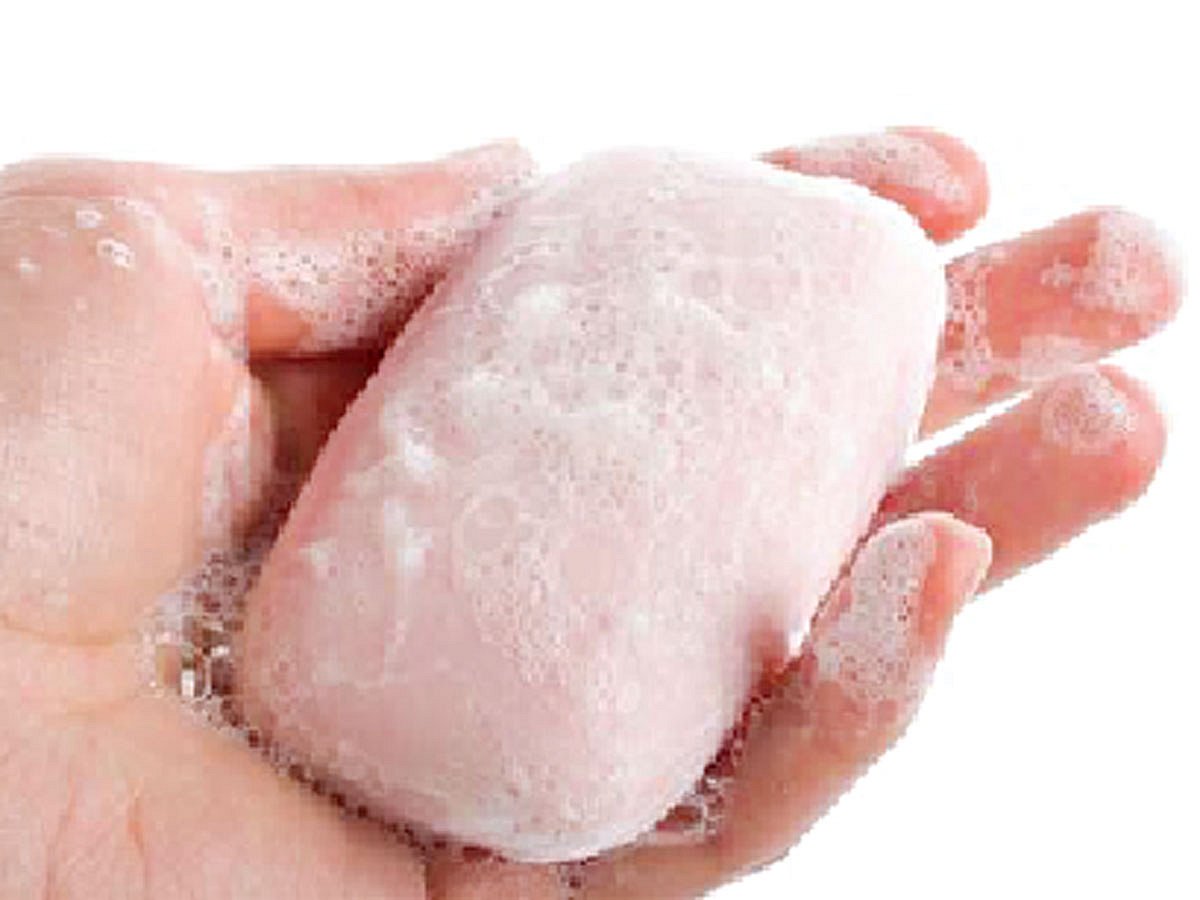
The common phenomenon of soap foam appearing white, despite the soap itself having various colors, is explained by an interesting principle in physics. The primary function of soap is to bridge the gap between water and oil, thereby removing dirt. When compounds like sodium stearate or potassium stearate, which are key components of soap, come into contact with water, they mix with air to form numerous tiny bubbles. It is the collective appearance of these countless bubbles that we perceive as soap foam. This process relies on the interaction of surfactant molecules with water and air to create a stable foam structure. The light scattering properties of these numerous small bubbles contribute to the white appearance of the foam.
The visual perception of soap foam as white, irrespective of the soap's coloration, highlights the physical properties of light scattering by a multitude of small, irregular surfaces. This phenomenon is a direct consequence of the bubble structure, where light is reflected and refracted multiple times, dispersing all wavelengths equally, thus appearing white. This principle is fundamental in understanding material science and optics, demonstrating how macroscopic properties can emerge from microscopic structures. It serves as a simple yet effective illustration of light diffusion, a concept applicable across various scientific and technological fields, from atmospheric optics to the design of optical materials.
AI-generated to prompt reflection — not editorial opinion, not advice, not a statement of fact. How this works.