Why is the ancient Manusmriti text repeatedly targeted in modern India?
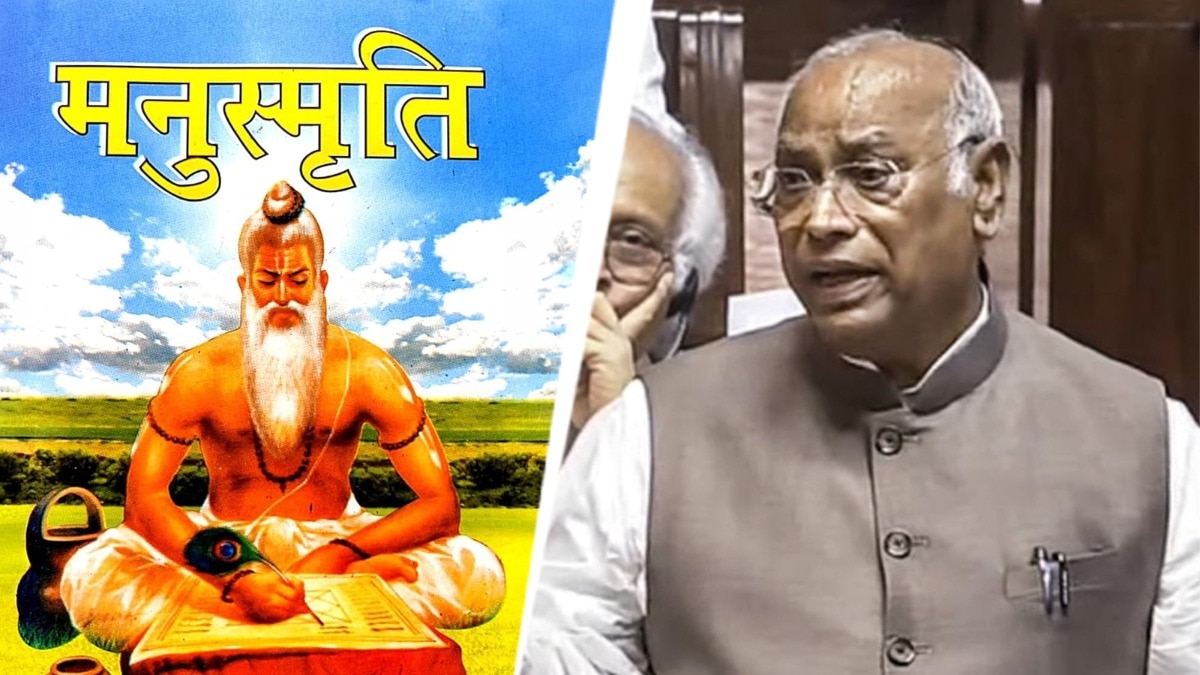
A controversial verse within the ancient Indian text, the Manusmriti, has sparked a debate in the Indian Parliament. This incident raises questions about why this historical scripture continues to be a subject of controversy in contemporary India. The Manusmriti, a foundational text in Hindu law and social order, has been a focal point for criticism and debate for centuries. Its verses often touch upon social hierarchies, caste systems, and gender roles, which are particularly sensitive topics in modern society. Critics argue that certain passages promote discrimination and inequality, clashing with contemporary values of justice and human rights. Conversely, proponents view the text as a historical document reflecting the societal norms of its time, and some interpret its verses in ways that align with modern ethics. The recurring debates highlight the ongoing tension between preserving historical texts and adapting societal norms to evolving ethical standards. The discussion in Parliament underscores the text's continued relevance, albeit contentious, in shaping social and political discourse in India.
The recurring controversies surrounding the Manusmriti in modern India reflect a persistent societal tension between historical legal and social frameworks and contemporary values of equality and human rights. The text's historical significance as a codifier of ancient Indian social order, particularly concerning caste and gender, makes it a flashpoint for discussions on social justice. As India navigates its future, particularly in the context of rapid technological and social change, the interpretation and application of such historical texts present a challenge. The debate prompts consideration of how societies reconcile their heritage with the evolving demands for inclusivity and fairness, and whether ancient texts should be viewed primarily as historical artifacts or as guides for present-day conduct. This ongoing discourse is crucial for understanding the dynamics of social progress and the complexities of cultural identity in a globalized world.
AI-generated to prompt reflection — not editorial opinion, not advice, not a statement of fact. How this works.