Why is the Indian Government Afraid of the Film 'Satluj'?
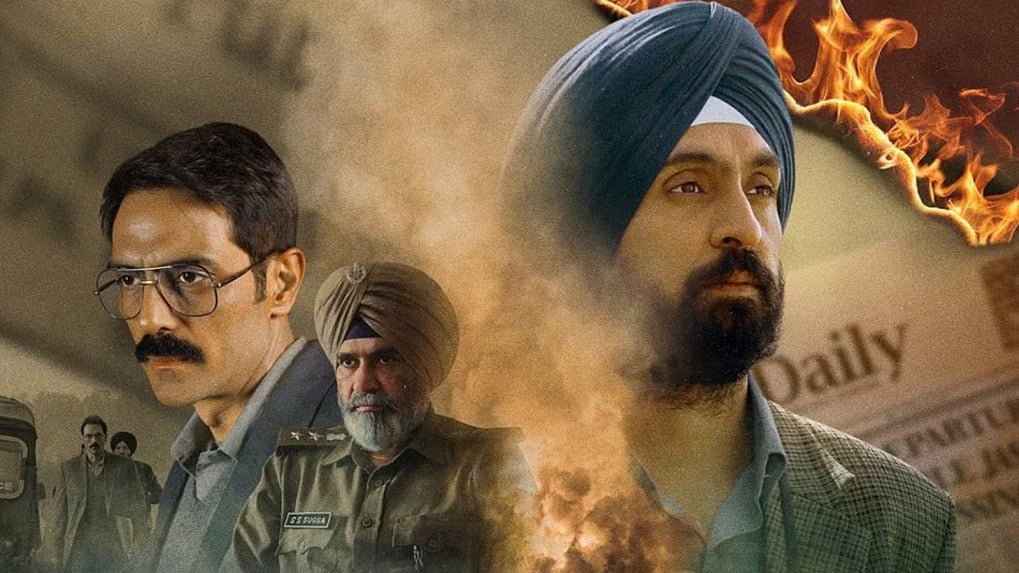
The film 'Satluj' is facing scrutiny from the Indian government, raising questions about potential censorship or undue pressure. For decades, Indian cinema has frequently depicted themes of violence and terrorism, suggesting a normalization of such narratives within the industry. The government's apprehension towards 'Satluj' implies a departure from this trend or a specific concern related to its content or message. The exact reasons behind the government's fear are not detailed, but the situation highlights the ongoing tension between artistic expression and state control in India. This event could set a precedent for future film releases and the broader landscape of creative freedom in the country. The public's reaction and the film's eventual release, if it happens, will be closely watched.
The Indian government's concern over the film 'Satluj' suggests a potential conflict between national security narratives and artistic freedom. While Indian cinema has a history of portraying violence and terrorism, state intervention in specific films may indicate a shift in regulatory priorities or a reaction to perceived political sensitivities. This situation prompts an examination of the criteria used for film censorship and the balance between safeguarding public order and upholding freedom of expression. Future policy decisions regarding content regulation will likely be influenced by the outcome of this case, potentially impacting the broader ecosystem of Indian filmmaking and its ability to engage with complex societal issues.
AI-generated to prompt reflection — not editorial opinion, not advice, not a statement of fact. How this works.