Why is White Milk Butter Yellow? The Reason You Likely Don't Know
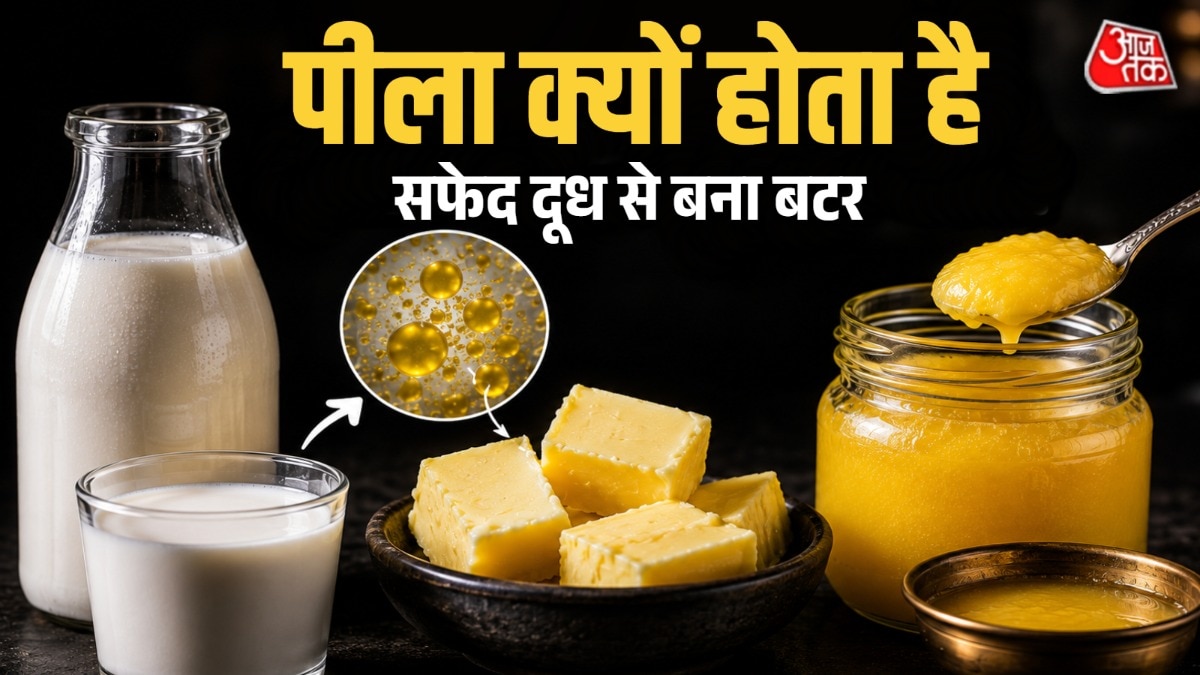
The white color of milk is due to the scattering of light. However, when fat is separated from milk, the natural pigments present in it give the butter a golden hue. This phenomenon explains why butter, derived from white milk, appears yellow. The process involves isolating the fatty components, which carry the color-imparting compounds. These pigments, when concentrated in the butter, result in its characteristic yellow or golden color. Understanding this transformation highlights the interplay between light, milk composition, and the physical processes involved in butter production. The change in color is a direct consequence of altering the milk's structure and fat content.
The color transformation of milk fat into butter, from white to yellow, is a natural consequence of separating and concentrating fat-soluble pigments like beta-carotene. This visual cue is often associated with the nutritional quality of dairy products, as beta-carotene levels can be influenced by the animal's diet, particularly the consumption of fresh grass. From a consumer perspective, the yellow color can be perceived as an indicator of richness or purity, influencing purchasing decisions. However, the underlying scientific process is a matter of physics and chemistry, not necessarily a direct reflection of superior nutritional value in all cases. This highlights how natural variations in food composition can create strong consumer associations, sometimes independent of strictly quantifiable nutritional differences.
AI-generated to prompt reflection — not editorial opinion, not advice, not a statement of fact. How this works.