Why Jagannath Temple Idols Are Replaced Every 12 Years: Unveiling the Mystery
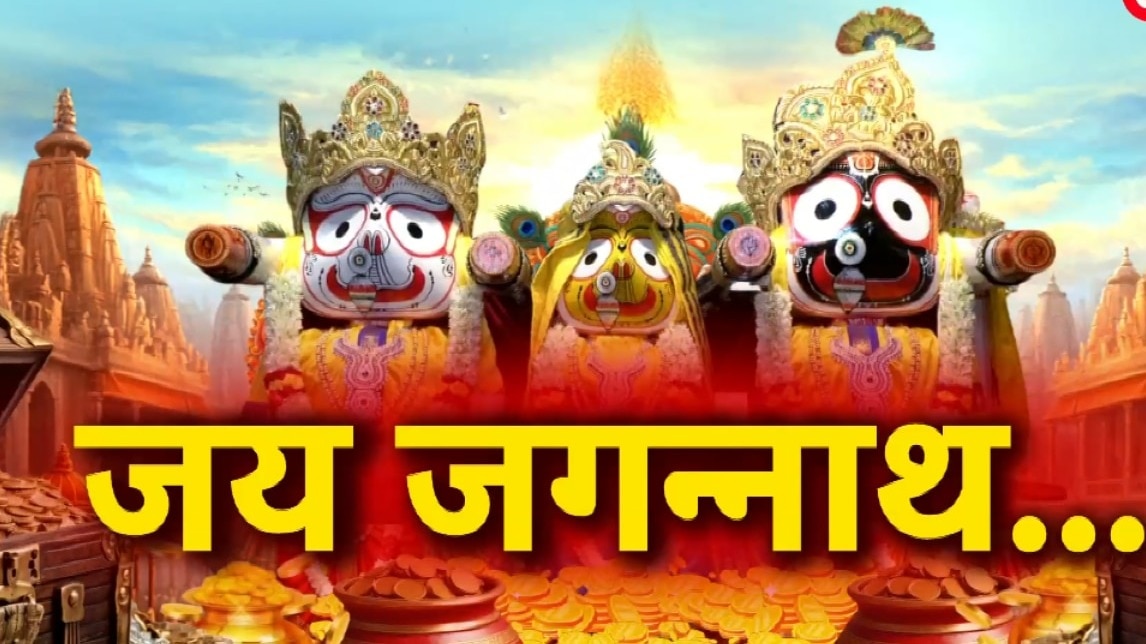
The Jagannath Temple in Puri observes a unique ritual called 'Navakalebara' every 12 years, during which the deities' idols are replaced. A profound mystery surrounds this ceremony, with questions about whether Lord Krishna's heart still beats within the old idols. On the night of the Navakalebara ritual, the entire city's electricity is cut off. Priests, blindfolded, then remove a specific item from the chest of the old idols. This sacred item is believed to be the 'Brahma Padartha,' a symbol of life or the divine essence, which is then transferred to the new idols. The tradition aims to preserve the spiritual continuity and divine presence within the deities. The Navakalebara is a complex and deeply spiritual event, steeped in ancient traditions and beliefs, ensuring the continuation of divine energy in the temple.
The Navakalebara ritual, occurring every 12 years, highlights the intricate relationship between religious belief, tradition, and community engagement. The practice of replacing the idols and transferring a symbolic 'heart' underscores the concept of divine continuity and renewal within a religious institution. The blackout during the ceremony suggests a deliberate effort to create a sacred, undisturbed space for a profound spiritual transfer, emphasizing the exclusivity and sanctity of the ritual. This event can be viewed through the lens of cultural preservation and the reinforcement of collective identity among devotees. In the context of evolving societal structures, such deeply ingrained traditions serve as anchors, connecting present generations to historical spiritual practices and offering a sense of enduring faith.
AI-generated to prompt reflection — not editorial opinion, not advice, not a statement of fact. How this works.