Why Japanese People Share Bath Water
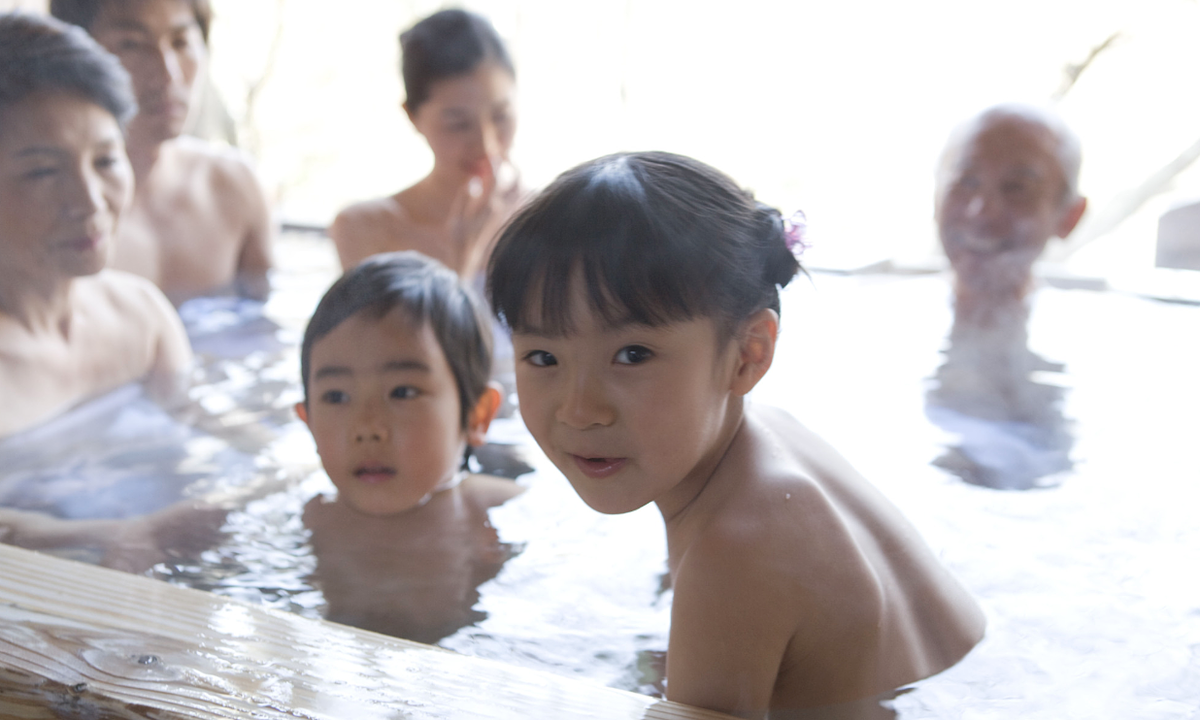
The practice of sharing bath water in Japan extends beyond mere water conservation and fostering emotional bonds. It is also believed to facilitate the exchange of beneficial bacteria among family members. This habit is a notable cultural practice within Japanese households. While not universally adopted by all Japanese families, it remains a recognized custom for some. The shared bathwater can contribute to a unique micro-ecosystem within the home. This exchange of microbes is thought by some to potentially enhance the immune systems of those who participate. It also reflects a deeper cultural emphasis on resourcefulness and communal living. The practice highlights a different approach to hygiene and family interaction compared to many Western cultures. The act of bathing together can also serve as a time for families to connect and discuss their day. This shared experience reinforces familial ties and communication.
The Japanese practice of sharing bath water presents an interesting case study in resource management and cultural norms. From a resource efficiency perspective, it aligns with principles of sustainability by minimizing water consumption. Culturally, it reinforces communal bonds and intergenerational connection, offering a unique space for family interaction. However, from a public health standpoint, the transmission of microorganisms, even beneficial ones, warrants consideration in the context of evolving hygiene standards and individual health sensitivities. Future considerations might involve balancing resourcefulness with modern public health understandings, potentially through improved water filtration or alternative water-saving technologies that maintain individual hygiene standards.
AI-generated to prompt reflection — not editorial opinion, not advice, not a statement of fact. How this works.