Why Limited Conflict With the US Might Be Preferable to Peace for Iranian Leaders
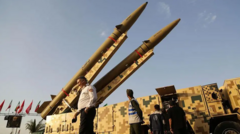
An unexpected attack by Iran on a US base in Jordan a few days ago initially appeared inexplicable. This action effectively ended a brief pause in direct conflict between the United States and Iran. The strike compelled Washington to resume attacks within Iran. The underlying rationale suggests that Iranian leaders might perceive a limited conflict with the US as a more advantageous strategy than a state of peace. This perspective implies a calculated risk assessment by the Iranian leadership, weighing the potential benefits of such a conflict against its inherent dangers. The decision to engage in hostilities, even on a limited scale, could be driven by various internal and external political considerations. It suggests a strategic calculus where the perceived gains from conflict outweigh the perceived benefits of de-escalation or peaceful relations at this juncture.
The Iranian leadership's decision to engage in limited conflict with the US, rather than pursuing de-escalation, suggests a strategic calculation prioritizing perceived national interests or domestic political stability. This approach may stem from an assessment that sustained, low-level confrontation allows for the projection of strength and the mobilization of nationalist sentiment, potentially bolstering the regime's legitimacy. Conversely, a return to peaceful relations might be viewed as less effective in achieving strategic objectives or could expose internal vulnerabilities. The dynamic highlights the complex interplay between geopolitical pressures and internal governance, where the management of external conflict can serve as a tool for internal cohesion and external deterrence, albeit with significant risks of escalation.
AI-generated to prompt reflection — not editorial opinion, not advice, not a statement of fact. How this works.