Why Limited War with the US Might Be Preferable to Peace for Iranian Leaders
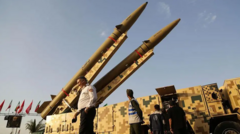
A recent surprise attack by Iran on a US base in Jordan appears, at first glance, to be an inexplicable action. This strike effectively ended a multi-day pause in direct conflict between the United States and Iran. The attack compelled Washington to resume strikes within Iran, escalating the situation. The underlying rationale for such a move, particularly when viewed through the lens of Iranian leadership's strategic calculus, suggests that a limited, controlled confrontation might be perceived as more advantageous than a complete cessation of hostilities or an outright peace. This perspective implies that maintaining a state of ongoing, albeit contained, conflict could serve specific domestic or geopolitical objectives for the Iranian regime. Such a strategy might be employed to consolidate power, rally domestic support, or project an image of strength on the international stage, even at the cost of increased tensions and potential retaliation. The decision to initiate direct engagement, despite the inherent risks, points to a complex interplay of internal political considerations and external strategic positioning by the Iranian leadership.
The Iranian leadership's decision to initiate a direct attack on a US base, despite the potential for escalation, suggests a strategic calculation that a limited, controlled conflict may serve their objectives better than a de-escalation or outright peace. This approach could be aimed at consolidating domestic support, projecting strength, or managing external pressures through a managed confrontation. From a systemic perspective, such actions can be viewed as a tactic within a broader geopolitical strategy to assert influence and deter perceived threats, while simultaneously managing the risk of all-out war. The long-term implications of this strategy will depend on the responses of all parties involved and the evolving regional dynamics in the coming decade, particularly in the context of shifting global power balances and the increasing role of non-state actors.
AI-generated to prompt reflection — not editorial opinion, not advice, not a statement of fact. How this works.