Why Lionel Messi Favors Diagonal Passes
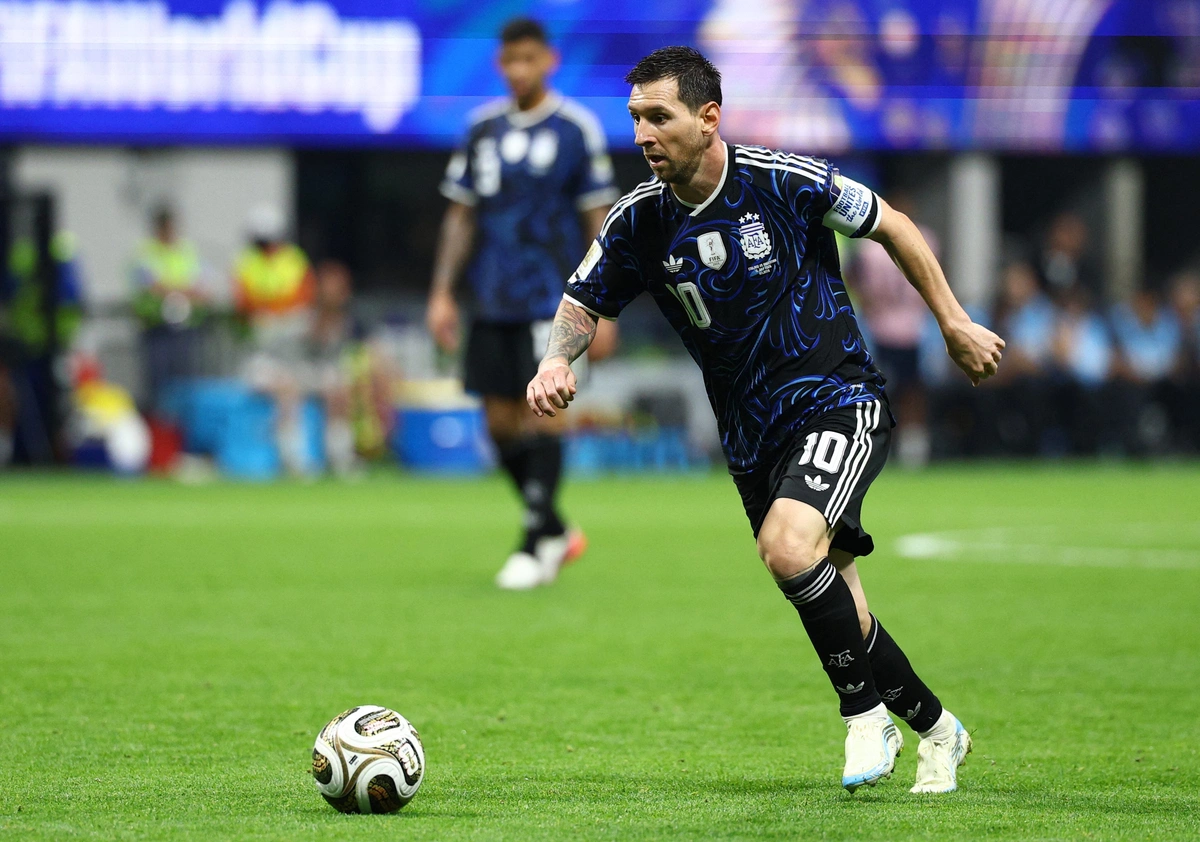
During the 2026 World Cup, Lionel Messi has increasingly moved into open spaces on the right wing. This tactical shift, particularly noticeable towards the end of matches, allows him to fully utilize his preferred diagonal passing style. By positioning himself on the right flank, Messi can exploit the width of the field and deliver passes that cut across the opposition's defense. This strategy often creates scoring opportunities by changing the point of attack and stretching the opposing team's formation. His adaptability in finding these spaces and executing these passes highlights his continued influence on the game. Messi's ability to read the game and find these pockets of space demonstrates his deep understanding of football tactics. This preference for diagonal balls from the right side suggests a calculated approach to breaking down defenses. The effectiveness of this tactic is evident in the team's offensive plays.
Lionel Messi's strategic positioning on the right wing to execute diagonal passes during the 2026 World Cup reflects a sophisticated understanding of spatial dynamics and offensive geometry. This tactical choice likely aims to exploit defensive weaknesses by creating unpredictable angles of attack and stretching opposition formations. Such a maneuver can disrupt defensive structures, opening lanes for teammates or creating direct scoring chances. The longevity of this preference suggests it aligns with Messi's core strengths in vision and execution, allowing him to remain a potent offensive force by adapting his play to evolving game states and opponent strategies. This approach prioritizes intelligent movement and precise passing over raw physical exertion, a common theme in elite athletes seeking to maximize impact in later career stages.
AI-generated to prompt reflection — not editorial opinion, not advice, not a statement of fact. How this works.