Why Lord Shiva Adorns Himself with Cremation Ash? Understanding the Significance
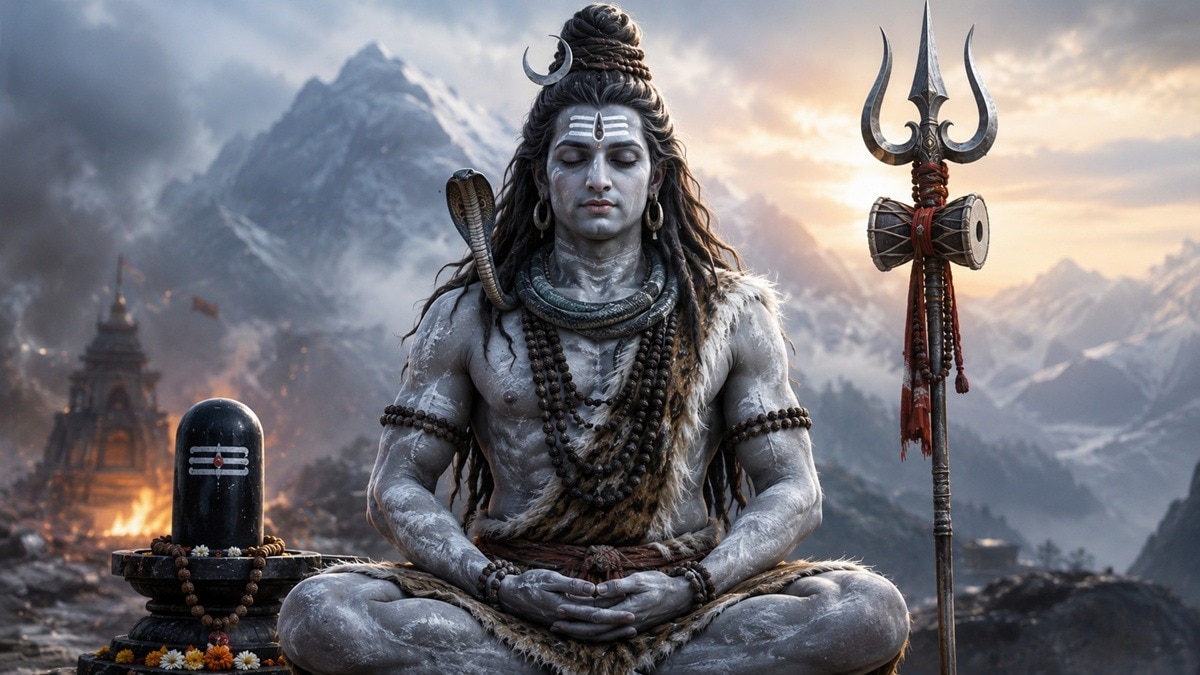
Lord Shiva's appearance is distinct from other deities, as he embraces renunciation over material possessions and adornments. Religious beliefs state that the ash applied to his body symbolizes the transient nature of the physical form, which ultimately dissolves into the five elements. This practice conveys a profound message against pride in wealth, status, beauty, or ego. It serves as a reminder that worldly achievements are temporary and that true detachment is paramount. The ash, therefore, represents a rejection of materialism and an acceptance of mortality. It is a visual representation of Shiva's asceticism and his understanding of the cyclical nature of life and death. This unique aspect of his iconography underscores his role as the destroyer and transformer within the divine trinity.
The symbolism of Lord Shiva's use of cremation ash highlights a profound philosophical stance on materialism and mortality. In a cultural context often driven by accumulation and status, this imagery serves as a powerful counter-narrative, emphasizing detachment and the acceptance of impermanence. From a systems perspective, this ascetic ideal can be seen as a critique of societal values that prioritize transient external markers of success over internal spiritual realization. Looking ahead, as societies grapple with existential questions amplified by technological advancements and increasing awareness of global challenges, the enduring relevance of such symbols of renunciation and acceptance may offer valuable frameworks for navigating complexity and fostering a more sustainable worldview.
AI-generated to prompt reflection — not editorial opinion, not advice, not a statement of fact. How this works.
