Why Many Large Nations Miss Out on the World Cup
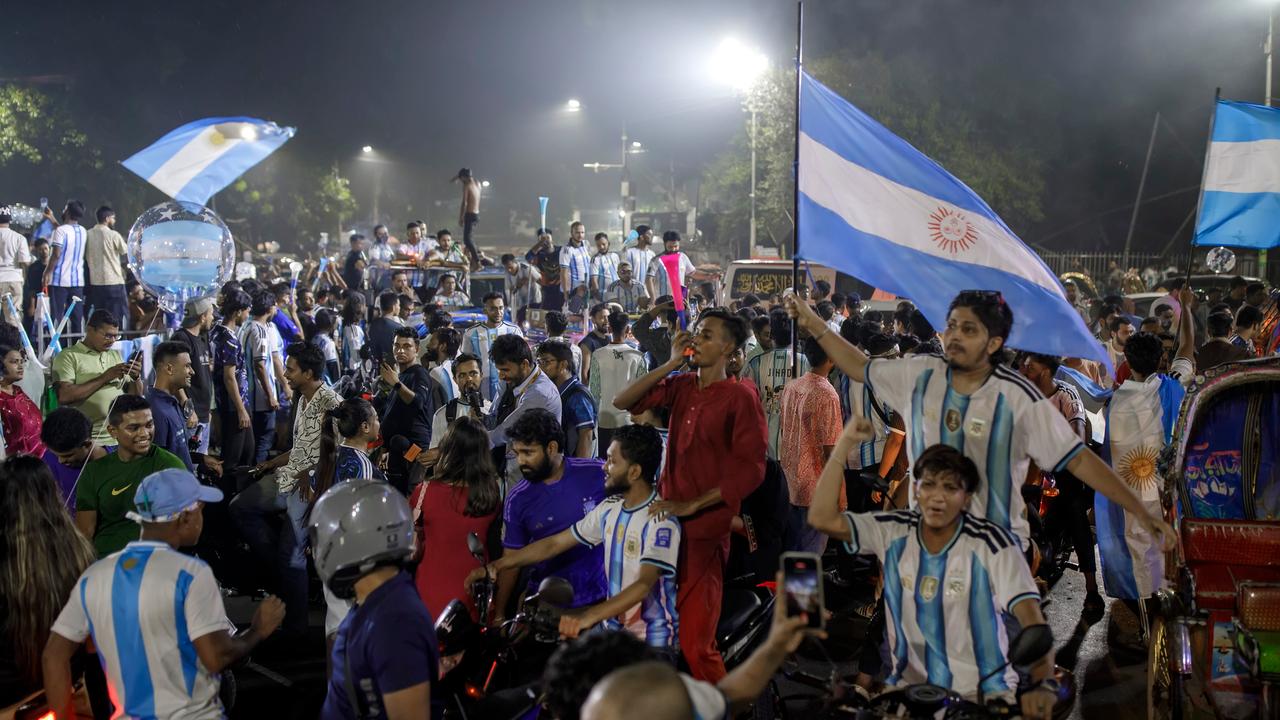
A significant number of the world's most populous countries are once again absent from the current World Cup. Out of the ten most populous nations, eight did not qualify for the tournament. This absence is not due to a lack of enthusiasm for football in these countries. The article raises the question of whether these nations would benefit from an expanded World Cup format, such as one with 64 teams. The current qualification system appears to disadvantage countries with large populations but potentially less established football infrastructure or historical success on the international stage. The discussion implies that a larger tournament might offer more opportunities for diverse nations to participate and showcase their talent. It also touches upon the global appeal and reach of football, suggesting that broader inclusion could enhance the sport's universality.
The World Cup's qualification structure, while historically rooted, may create systemic barriers for nations with large populations but less developed football federations. An expanded tournament format, such as increasing the number of participating teams, could potentially democratize access and foster global football development. However, such expansion also presents challenges related to tournament logistics, competitive balance, and the potential dilution of quality. Evaluating the trade-offs between inclusivity and sporting integrity will be crucial as FIFA considers future tournament structures, particularly in the context of an increasingly interconnected and competitive global sporting landscape.
AI-generated to prompt reflection — not editorial opinion, not advice, not a statement of fact. How this works.