Why Many NRIs Choose Not to Return to India, According to an American Resident
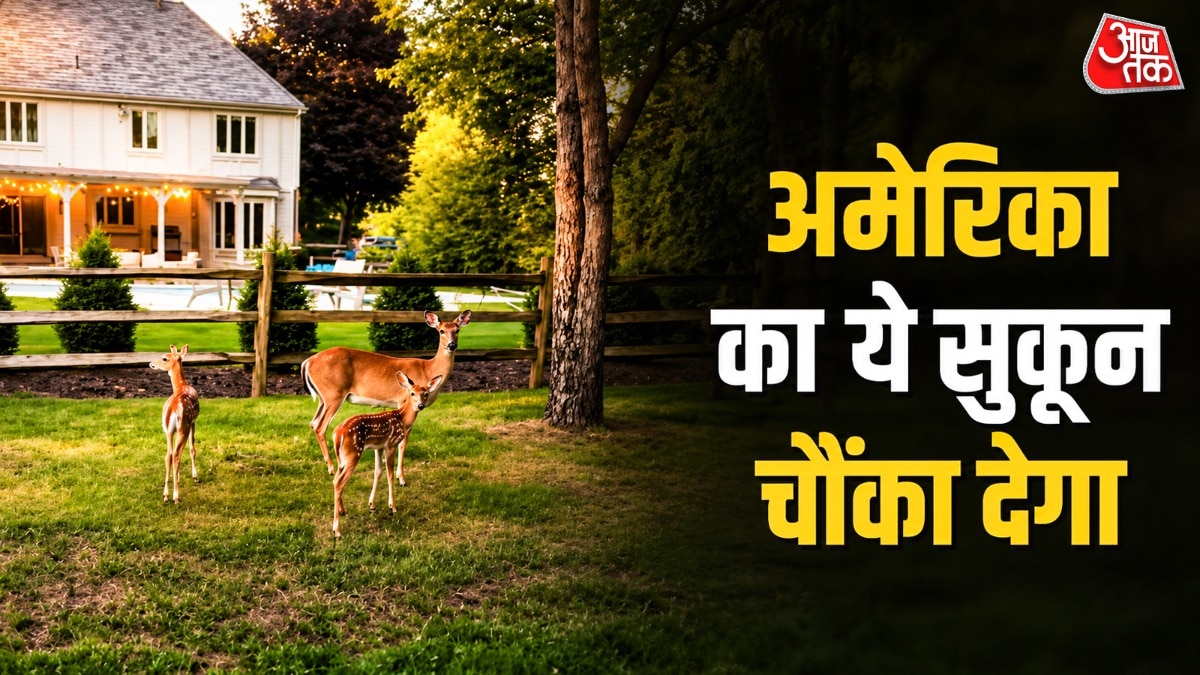
An Indian individual residing in the United States has shed light on the reasons why many Non-Resident Indians (NRIs) find it difficult to return to India, even if they wish to. The primary drivers for this decision extend beyond just higher salaries. The lifestyle offered in countries like the U.S. plays a significant role in retaining NRIs abroad. This includes factors such as work-life balance, access to advanced infrastructure, and potentially better social amenities. The individual's explanation suggests a complex interplay of economic and lifestyle considerations that influence the long-term settlement choices of Indians living overseas. It implies that a return to India would involve not just a financial adjustment but also a considerable shift in daily living standards and opportunities. The desire for a certain quality of life, which may be more readily available in Western countries, appears to be a strong deterrent to repatriation for many.
The decision of NRIs to remain abroad highlights a global trend where individuals seek environments offering not only economic advancement but also a preferred lifestyle and work-life integration. This phenomenon underscores the importance of domestic policy in fostering conditions that attract and retain skilled populations. Factors such as career progression, social infrastructure, and personal freedoms significantly influence talent retention. For India, understanding these drivers is crucial for developing strategies that could encourage the return of its diaspora, potentially through enhanced economic opportunities, improved quality of life, and a more competitive global standing in terms of lifestyle and professional development. This situation prompts consideration of how national development can be structured to align with the evolving aspirations of its global citizens.
AI-generated to prompt reflection — not editorial opinion, not advice, not a statement of fact. How this works.