Why Mosquitoes Are Attracted to Certain People
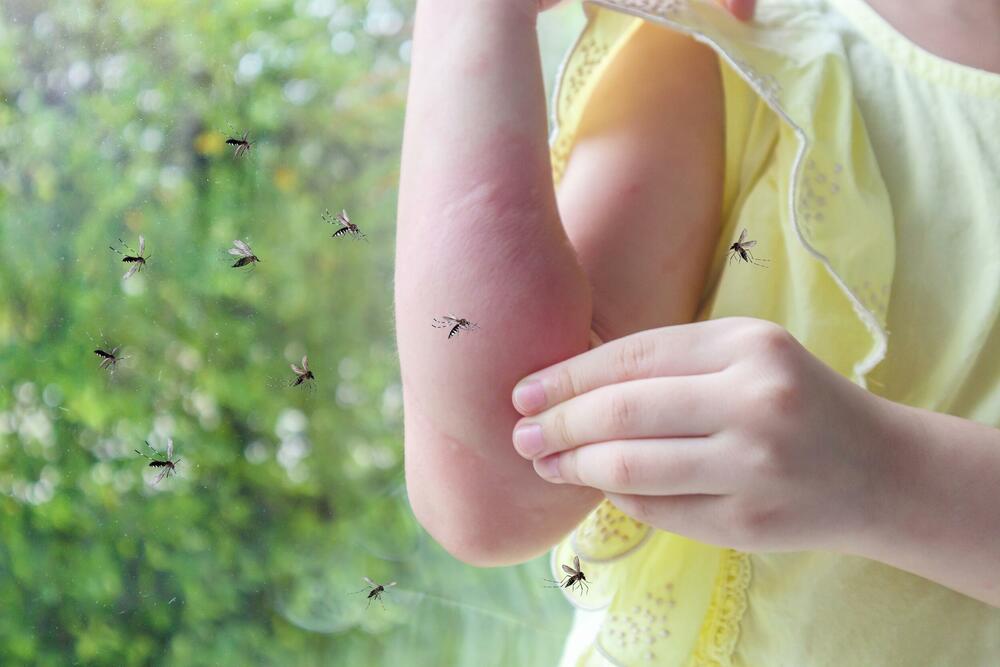
Mosquitoes are drawn to specific individuals due to signals that are simply irresistible to them. These signals can be influenced by a variety of factors, including body odor, the amount of carbon dioxide a person exhales, and even the color of their clothing. Different species of mosquitoes may also have preferences for different attractants. Understanding these preferences can help in developing more effective strategies for mosquito control and personal protection. Research continues to explore the complex interplay of genetics, metabolism, and environmental factors that contribute to an individual's 'attractiveness' to mosquitoes. This knowledge is crucial for public health initiatives aimed at preventing mosquito-borne diseases.
The differential attraction of mosquitoes to humans is a complex biological phenomenon driven by a combination of genetic predispositions and environmental factors. Understanding these attractants, such as CO2 emissions, body temperature, and specific volatile organic compounds produced by the skin, is key to developing more effective personal repellents and public health interventions. Future strategies may leverage personalized approaches based on an individual's unique biochemical profile, potentially reducing reliance on broad-spectrum insecticides. This research also highlights the ongoing evolutionary arms race between insects and hosts, with implications for disease vector control in a changing climate.
AI-generated to prompt reflection — not editorial opinion, not advice, not a statement of fact. How this works.