Why Mumbai, a Coastal City, Struggles with Rainwater Drainage?
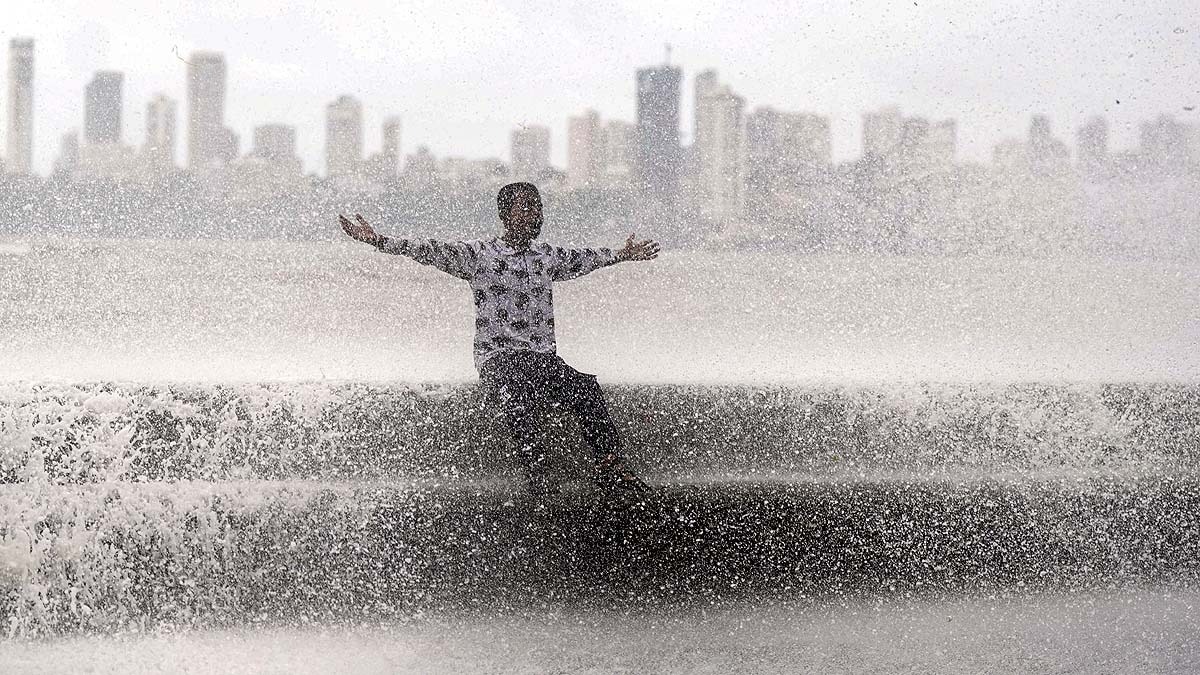
Despite being situated by the sea, Mumbai frequently experiences waterlogging during heavy rainfall, leading to floods. Several factors are believed to contribute to this persistent issue. The Brihanmumbai Municipal Corporation (BMC) is often scrutinized for its role in managing the city's infrastructure and drainage systems. A significant challenge lies in the city's aging drainage network, which may be inadequate to handle the volume of water during intense downpours. Furthermore, the broader impacts of climate change are suspected to exacerbate the problem, potentially leading to more extreme weather events. The influence of phenomena like El Niño, which can alter weather patterns, is also being considered as a contributing factor to the increased rainfall intensity and subsequent flooding in Mumbai.
Mumbai's recurring flooding during monsoon seasons highlights a critical infrastructure challenge at the intersection of urban planning, climate adaptation, and governance. The city's coastal geography, combined with an aging drainage system, creates a vulnerability that is amplified by the increasing unpredictability of weather patterns attributed to climate change and potential El Niño effects. Future resilience will likely depend on significant investments in upgrading drainage capacity, implementing nature-based solutions for water management, and potentially rethinking urban development in flood-prone areas. The effectiveness of the BMC's strategies in addressing these systemic issues will be a key determinant of Mumbai's ability to mitigate future flood risks.
AI-generated to prompt reflection — not editorial opinion, not advice, not a statement of fact. How this works.