Why Orange Cats Are Perceived as Affectionate: A Specialist's Explanation
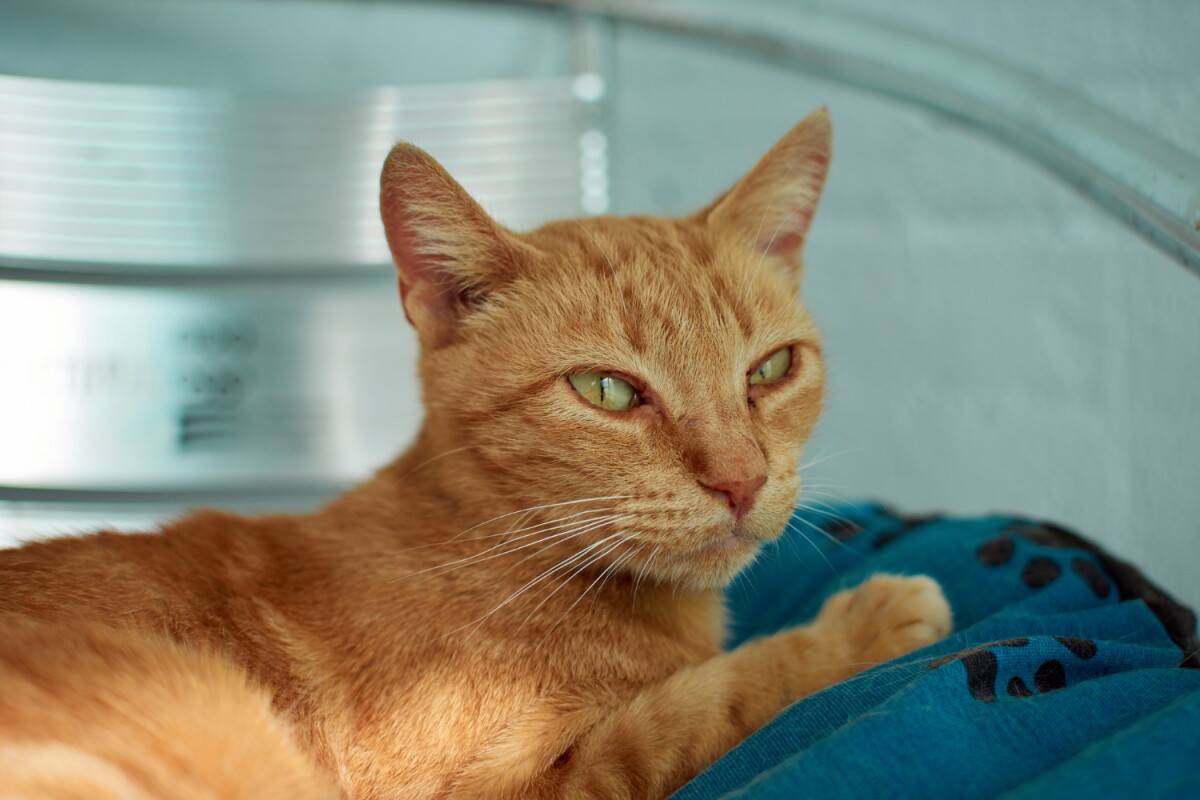
There is a widespread belief that orange cats are more affectionate than those of other colors. This perception is so common that many people specifically seek out orange cats when looking for a pet. However, the scientific basis for this supposed difference in temperament is being explored. While anecdotal evidence abounds, researchers are examining the genetic factors that might influence coat color and behavior in felines. The "orange gene" is linked to the X chromosome, which could play a role in how these traits are expressed. A specialist in feline behavior has offered insights into why this particular coloration might be associated with certain personality traits. The study of cat genetics and behavior is ongoing, aiming to provide a clearer understanding of the relationship between a cat's appearance and its disposition. This exploration seeks to move beyond popular assumptions and uncover the biological underpinnings of feline personalities. Ultimately, the goal is to understand if there's a verifiable link between the orange coat and a more docile or friendly nature.
The popular association of orange coloration in cats with a specific temperament, while widely held, lacks robust scientific consensus. This phenomenon highlights how anecdotal observations and cultural narratives can shape public perception of animal behavior. Further research into feline genetics and behavioral science may clarify whether any correlation exists, potentially linked to specific gene expressions or evolutionary factors. Understanding such perceived links is crucial for appreciating the diversity within domestic cat populations and for fostering informed pet ownership, moving beyond stereotypes to individual animal assessment.
AI-generated to prompt reflection — not editorial opinion, not advice, not a statement of fact. How this works.