Why Patriot Missile Production in Ukraine Faces Major Hurdles
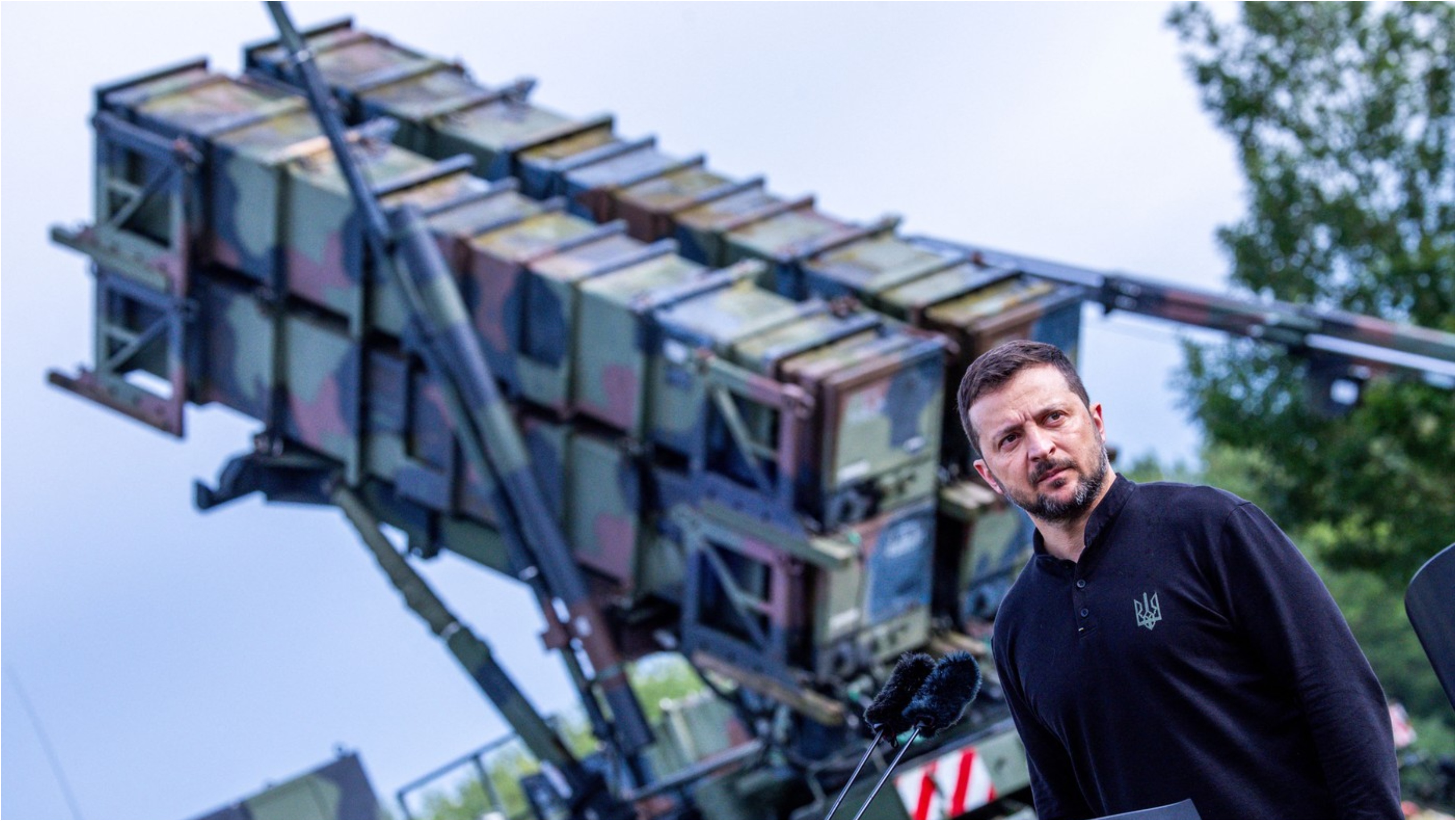
Two US allies, Germany and Japan, have already received authorization to produce missiles for the Patriot air defense system. However, neither country has achieved the production rate that Ukraine would require. These cases offer a significant lesson for officials in Kyiv, who are optimistic about rapidly initiating interceptor production. This optimism follows indications from US President Donald Trump that Ukraine might be granted the rights to manufacture these missiles within its territory. The path to domestic production for Ukraine is expected to be challenging, given the complexities involved in advanced weapons manufacturing. The experiences of Germany and Japan highlight the difficulties in scaling up production to meet high demand, even with established industrial capabilities. Ukraine's ambition to produce Patriot missiles domestically is a strategic goal, but the practical implementation will likely require overcoming substantial technical, logistical, and industrial challenges. The success of such an endeavor hinges on more than just authorization; it demands significant investment, technological transfer, and a robust industrial base. Therefore, the Ukrainian government's confidence may need to be tempered by the realities demonstrated by its allies' experiences.
Ukraine's aspiration to domestically produce Patriot missiles, while strategically vital for its defense, presents considerable industrial and logistical challenges. The experiences of Germany and Japan, allies with advanced manufacturing sectors, illustrate that authorization does not automatically translate into rapid, high-volume production. The complexities of advanced missile manufacturing, including supply chains, specialized components, and quality control, require substantial time and investment. For Ukraine, overcoming these hurdles will be critical, especially given current geopolitical pressures and the need for sustained defensive capabilities. Evaluating this objective requires considering the long-term viability of establishing such a sophisticated industrial capacity amidst ongoing conflict and potential future security landscapes.
AI-generated to prompt reflection — not editorial opinion, not advice, not a statement of fact. How this works.