Why People Are Installing Aluminum Foil Under Roofs in the US for Significant Cooling Benefits
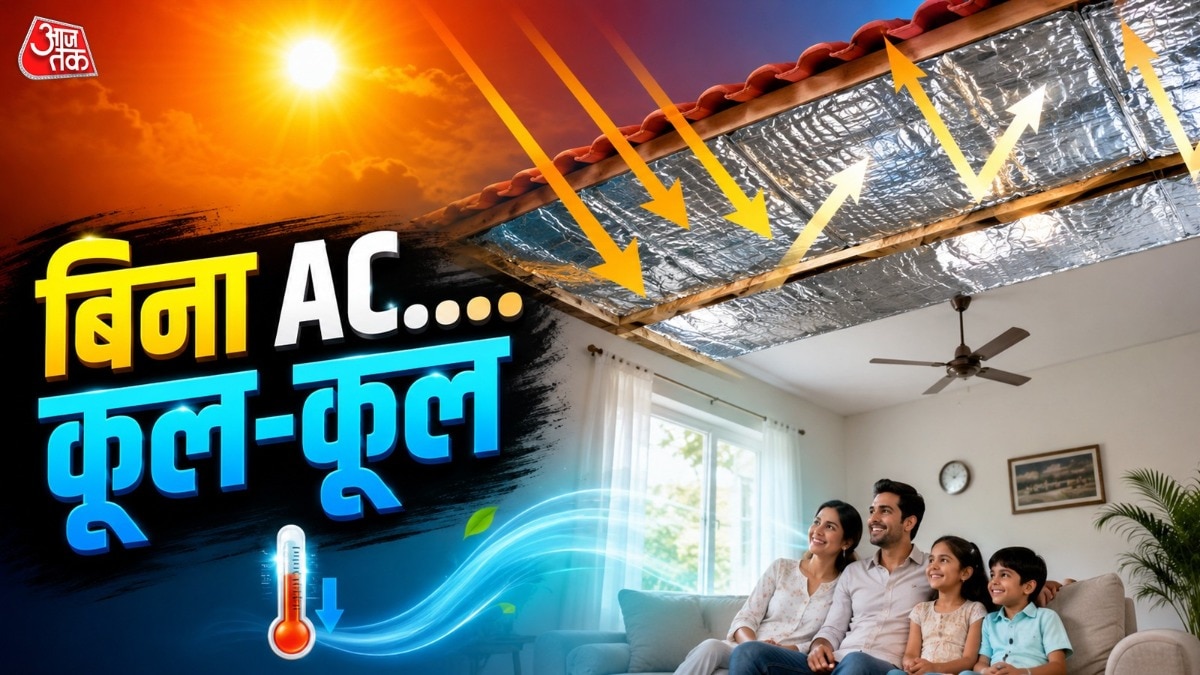
In response to rising summer temperatures that significantly heat up home ceilings and increase indoor temperatures, a growing trend in the United States involves installing aluminum foil beneath roofs. According to viral video demonstrations, applying the reflective layer of aluminum foil can reduce the amount of heat entering homes by as much as 53%. This simple and cost-effective method aims to mitigate the impact of direct sunlight on roofing materials, thereby maintaining cooler indoor environments. The technique capitalizes on the material's reflective properties to bounce solar radiation away from the living space. This approach is gaining traction as a practical solution for homeowners seeking to improve thermal comfort and potentially reduce reliance on air conditioning during hot weather. The widespread sharing of these videos suggests a public interest in accessible and DIY home improvement strategies for energy efficiency and climate control.
The practice of applying aluminum foil under roofs highlights a common human response to increasing ambient temperatures, driven by both environmental changes and urban heat island effects. This low-cost, DIY thermal management technique leverages basic principles of radiative heat transfer. While effective in reflecting solar radiation, its long-term durability and potential impact on roof material respiration warrant further investigation. From a systemic perspective, such individual adaptations underscore a broader societal challenge in achieving widespread, resilient, and sustainable cooling solutions, particularly as climate change intensifies. Future innovations may focus on integrating advanced reflective or phase-change materials directly into building envelopes, offering more permanent and efficient climate control.
AI-generated to prompt reflection — not editorial opinion, not advice, not a statement of fact. How this works.