Why People Form Emotional Bonds with AI Companions
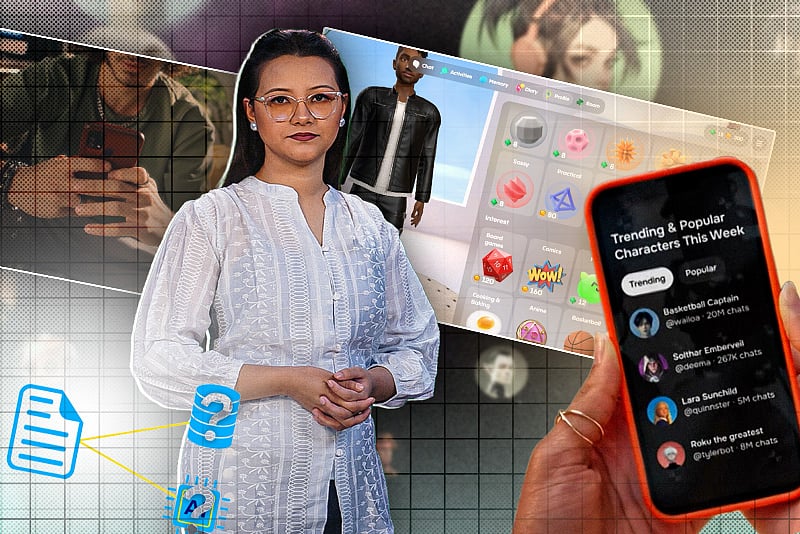
AI companion bots are designed with specific tones, moods, and personalities to make them appear more human-like. This intentional design aims to foster a sense of connection and emotional engagement with users. The development focuses on creating interactions that mimic human empathy and understanding. These bots can engage in conversations, offer support, and adapt their responses based on user input. The goal is to provide a form of companionship that feels authentic and responsive. This approach leverages sophisticated algorithms to simulate emotional intelligence. The underlying technology allows for personalized interactions, making each user's experience unique. The article suggests that these design choices are the primary reason behind the formation of emotional bonds between humans and AI. Further details are available in the accompanying video.
AI development is increasingly focused on creating emotionally resonant user experiences. By designing AI with human-like characteristics, developers aim to enhance user engagement and create a sense of connection. This trend raises questions about the long-term societal implications of forming deep emotional attachments with non-sentient entities. As AI capabilities advance, understanding the ethical considerations and potential psychological impacts of these human-AI relationships will be crucial. The design choices in these companion bots highlight a broader shift towards integrating AI into personal lives, necessitating a careful examination of the boundaries between human and artificial interaction.
AI-generated to prompt reflection — not editorial opinion, not advice, not a statement of fact. How this works.