Why physical buttons are making a comeback despite touchscreen dominance
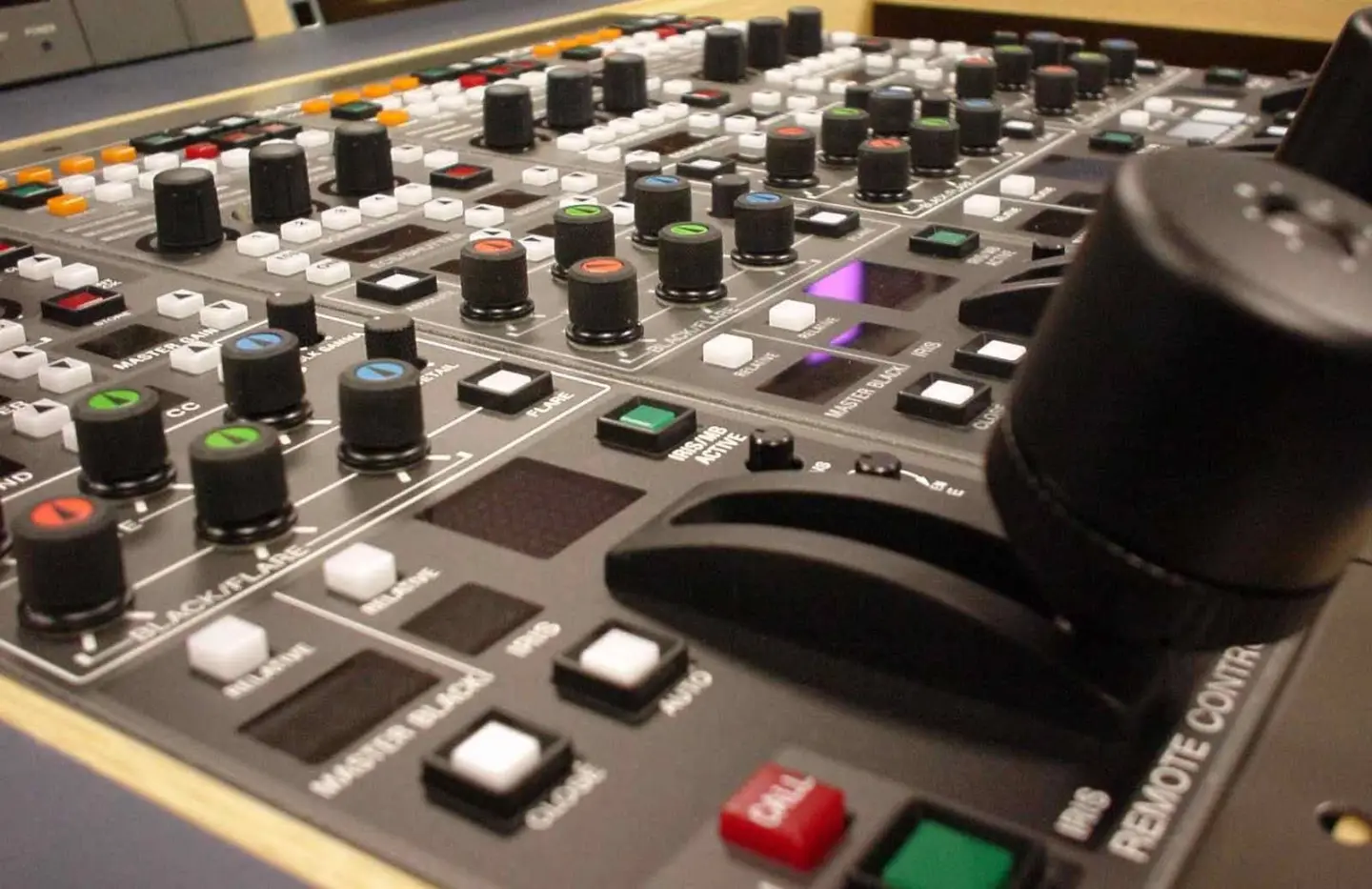
Despite the widespread adoption of touchscreens, there's a growing demand for physical buttons and controls, as exemplified by the author's purchase of the Stream Deck+. This versatile desktop controller features programmable buttons, integrated screens, and rotary knobs, offering a tactile and efficient way to interact with technology. While voice commands can be effective, they often require more effort than a simple button press. The author highlights the convenience of physical controls for simplifying daily tasks and controlling various functions. The Stream Deck+ caters to users seeking a more direct and responsive interface, demonstrating that touchscreens haven't entirely replaced the appeal of traditional input methods. This trend suggests a market for hybrid interfaces that combine the best of both digital and physical interaction paradigms.
The resurgence of physical controls like buttons and knobs alongside advanced touch interfaces indicates a user preference for diverse input methods catering to different tasks and cognitive loads. While touchscreens offer flexibility and visual richness, tactile feedback from physical controls can enhance efficiency, reduce errors, and provide a more intuitive user experience for specific functions. This trend suggests that future human-computer interaction design will likely embrace hybrid approaches, integrating physical elements strategically to optimize usability and user satisfaction across a spectrum of applications, from consumer electronics to professional workstations. The underlying driver is the pursuit of optimal efficiency and reduced cognitive effort in an increasingly complex digital environment.
AI-generated to prompt reflection — not editorial opinion, not advice, not a statement of fact. How this works.