Why Planting an Amla Tree During Monsoon is Beneficial
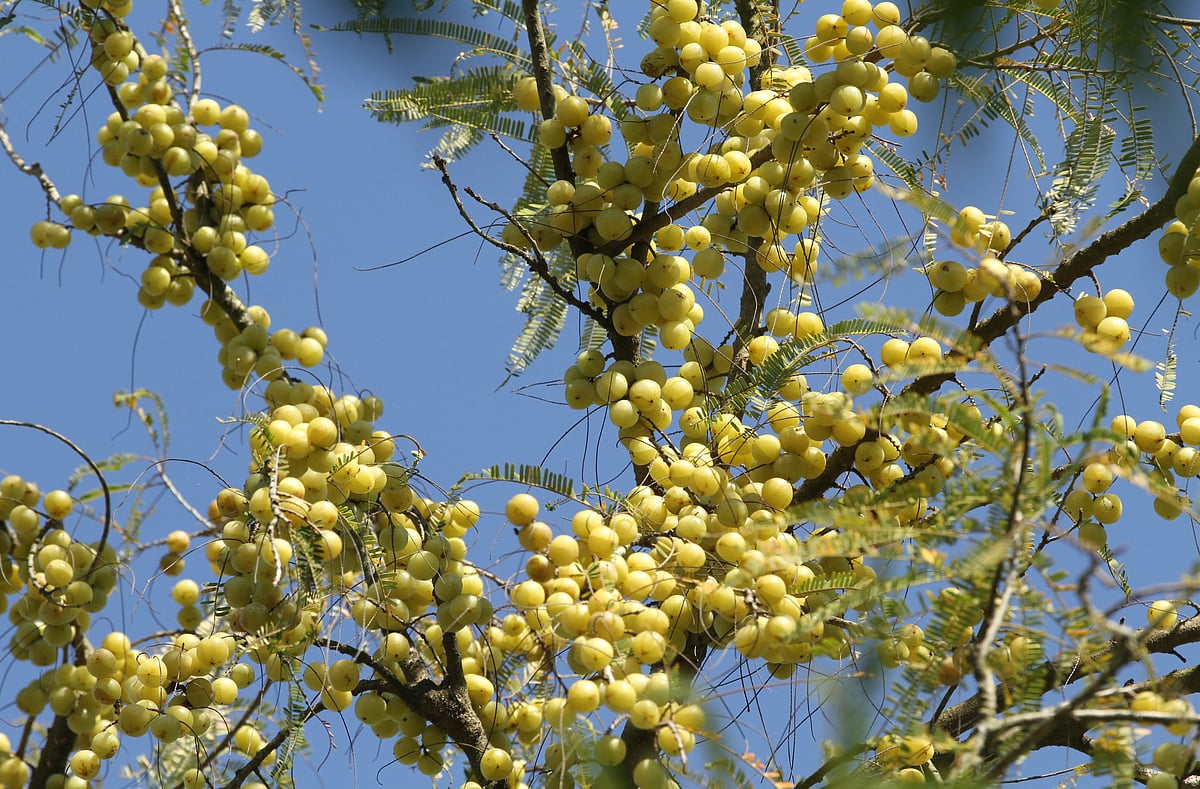
Traditional wisdom in rural Bengal equates having an amla tree at home to possessing a medicine box. For centuries, the amla fruit has been a staple in Ayurvedic, Unani, and folk medicine practices. Modern scientific research is now renewing interest in its nutritional value and bioactive compounds. This renewed attention highlights the potential health benefits and therapeutic properties of amla. Historically, its use has been widespread across various traditional healing systems. The monsoon season is considered an opportune time for planting trees in many regions. Planting an amla tree during this period can contribute to both personal well-being and environmental health. The fruit's rich vitamin C content and antioxidant properties are particularly noteworthy. Integrating amla into one's environment can be seen as a proactive step towards natural health management.
The traditional reverence for the amla tree, equating it to a household medicine chest, underscores a long-standing human practice of integrating natural resources into health management. Modern scientific validation of amla's nutritional and medicinal properties suggests a potential for its resurgence in both traditional and contemporary wellness approaches. This trend aligns with a broader global interest in phytomedicine and sustainable living, potentially offering a low-cost, accessible health resource. As societies navigate the complexities of modern healthcare, rediscovering and scientifically validating such traditional remedies could offer complementary strategies, promoting biodiversity and individual health resilience.
AI-generated to prompt reflection — not editorial opinion, not advice, not a statement of fact. How this works.